


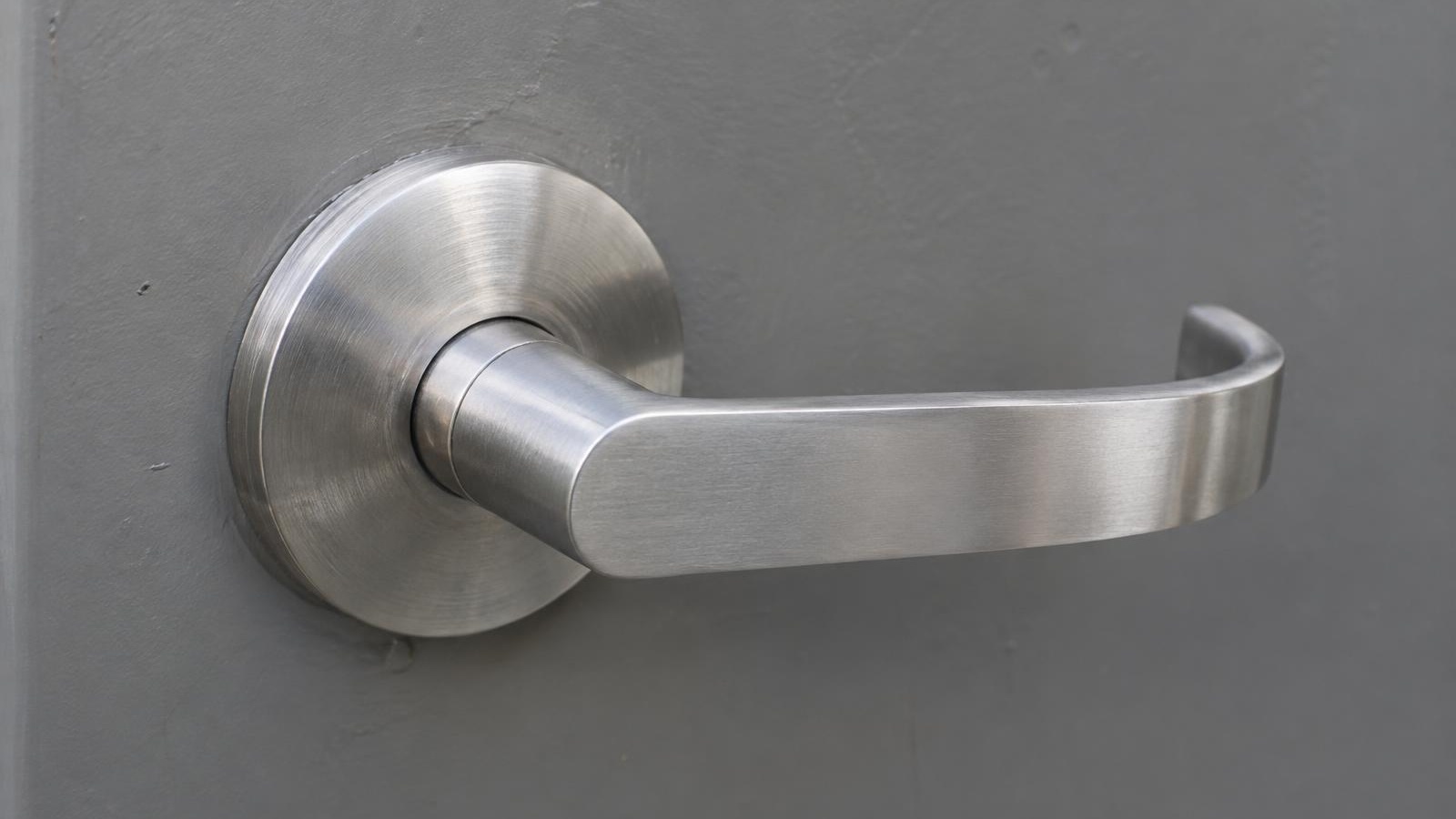
Door Hardware Finishes: What 626, 630 and US Codes Mean

Door hardware finishes identify more than the visible color of a commercial lever, hinge or exit device. A BHMA finish designation can describe the surface treatment and the base material beneath it, so a request for matching silver hardware needs more detail than a photograph. Read the finish column together with the manufacturer and product information before accepting a substitution.
Quick answer: Specify the finish by its documented code, description and base material, then check whether the selected hardware is offered in that combination. A US appearance designation may correspond to different BHMA numbers for different substrates. Compare physical samples when appearance matters, and request product-specific performance information for the exposure conditions. Mills & Nebraska has an Architectural Hardware Consultant on staff to support specification decisions across a commercial hardware package.
What do door hardware finishes and BHMA codes describe?
BHMA codes describe combinations of architectural finish and substrate, not a universal color swatch. Substrate means the base material on which a coating is applied, or the underlying material whose surface is finished. Keep that material description with the code when reviewing an order.
The BHMA summary of ANSI/BHMA A156.18-2020, Materials and Finishes, explains the numbering system and outlines corrosion, wear and chemical, and ultraviolet evaluations. It also defines satin as a smooth dull finish that may or may not have a directional pattern. The summary is not the full standard, and its code descriptions are not evidence that a particular model has been certified.
For an order review, ask for the manufacturer's finish designation alongside the requested description. If the quotation lists only satin silver, have the supplier identify the intended finish and base material. Have the code identified from the product documentation.
What is the difference between 626 and 630?
Hager Companies' chart distinguishes satin chromium plating on brass from satin stainless steel. These descriptions address different constructions, even though both can contribute to a silver-colored hardware scheme. A comparison should keep the surface treatment and substrate separate from any appearance preference.
Hager Companies' 2024 General Information catalog, pages 4 and 5, provides these specific entries:
- 626 / US26D: satin chromium plated over nickel, with brass listed as the base material.
- 630 / US32D: satin stainless steel, with stainless listed as the base material.
- 652 / US26D: satin chromium plated over nickel, with steel listed as the base material.
Read those entries as documented manufacturer descriptions, not permission to exchange the products. If a specification calls for one construction and the quote proposes another, flag the difference for the reviewer. A similar appearance does not erase a material requirement.
Mills & Nebraska lists Hager Companies among its hardware vendors. Use the relevant catalog for the actual item being considered, rather than assuming every manufacturer or product line offers every finish in this reference.
Why can US26D appear beside more than one BHMA number?
The Hager entries above attach the same US designation to different base materials. That is why converting a US code without reading the substrate column can leave a commercial specification incomplete. The appearance reference alone is not enough to distinguish those entries.
When a drawing or specification gives only a US designation, ask whether the base material is specified elsewhere. Review the hardware item description and the manufacturer's documentation before proposing a corresponding BHMA number. If material is a project requirement, carry it forward into the quotation and submittal rather than replacing it with a shorter appearance label.
This is especially useful when reviewing a mix of products. Confirm the substrate of each hinge, lock and closer individually. Keep an item-specific record, and have any proposed variation reviewed before release.
How should you coordinate finishes across an opening?
Mills & Nebraska supplies commercial locks, hinges, closers and exit devices, so define the finish request for each item rather than describing the opening as one silver set. A coordinated appearance is a design decision; the order still needs to identify the product and material requirements individually.
Begin with the scheduled commercial door locks and door hinges, then compare the remaining hardware against the finish specification. Request the manufacturer's code for each quoted item. Where an exact finish is unavailable or another construction is proposed, record the difference instead of silently treating it as equivalent.
Consider physical samples together under the project's intended lighting when the visual match matters. This is a review recommendation, not a promise that matching code numbers will make every component look identical. Ask the design team to document the accepted combination so the purchasing decision is clear.
The wider selection issues belong in the commercial hardware article. Keep finish coordination separate from the lock function, closer arrangement, handing and other requirements that determine how the opening operates.
Does a finish code establish corrosion resistance or certification?
No. A code description does not itself document a particular product's test results or certification. Request the applicable manufacturer information when corrosion, chemical exposure or other performance conditions are part of the specification.
BHMA's overview identifies salt-spray evaluation, with failure criteria addressing corrosion, staining and blistering. It also describes tests such as pencil hardness, abrasion and perspiration resistance, and discusses visible degradation under ultraviolet exposure. Those are evaluation topics, not a guarantee of field life at a particular site.
For an exterior or exposed commercial opening, describe the location and conditions to the supplier without reducing the selection to a preferred metal color. Ask which product documentation supports the specified use and what maintenance instructions apply. Avoid assuming that a stainless description eliminates the need to review the exact product and exposure conditions.
A finish decision also does not establish the suitability of the complete opening. Where accessibility, fire rating or wind performance is relevant, keep those requirements in the project review as separate questions. Confirm assembly suitability through the applicable documentation.
What should you send for a finish clarification or substitution?
Mills & Nebraska offers hardware specification services, and a useful request identifies the disputed finish on a specific opening and item. Send the relevant schedule line, manufacturer, model, requested finish description and proposed alternative together. State whether the concern is appearance, substrate, exposure or a combination of those issues.
For hardware specification assistance, include the project specification excerpt and the manufacturer's chart rather than only a screenshot of a lever. If an existing finish must be coordinated, provide photographs as context and ask whether a physical sample is needed for the review.
- Identify the opening and hardware item under discussion.
- Keep the requested code, finish description and base material together.
- Record the quoted manufacturer's corresponding designation.
- List any proposed differences instead of describing them as a match.
- Document the decision with the order information.
The article on door hardware for Florida buildings addresses the broader opening package. Use the finish clarification to resolve this specific purchasing question, not to replace that wider coordination work.
FAQs
Is satin chrome the same as satin nickel?
No. Hager's catalog lists satin nickel plated, clear coated separately from satin chromium plated over nickel. If either term appears in an order, verify the named manufacturer's designation and the substrate. A general request for a dull silver appearance does not identify which treatment is intended.
Can a painted closer be selected by a plated-hardware code?
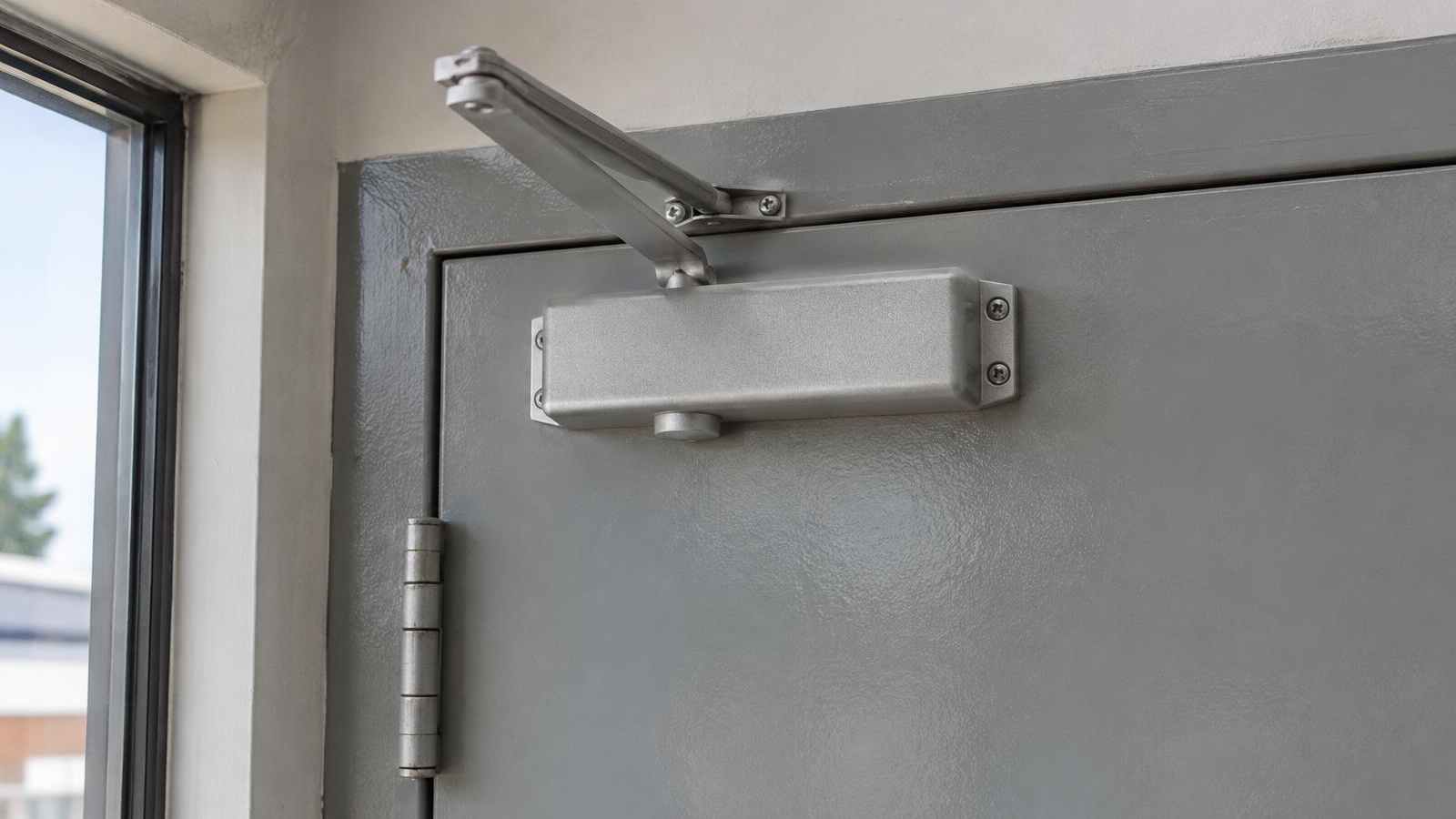
Check the selected closer's catalog rather than assuming the codes transfer. Hager's general chart separates paint descriptions from plated finishes. Request the actual product's paint designation and an acceptable sample comparison if it must coordinate visually with plated components on the same opening.
Is a catalog image enough to approve a finish match?
Use it as a starting point, not the entire acceptance record. If appearance is important to the project, consider physical samples and ask the design team to record its selection. Keep that decision distinct from confirmation of the specified base material and the selected manufacturer's product information.
Contact Mills & Nebraska with the hardware item, finish specification and proposed alternative you want reviewed before ordering.
Products and Services in This Article
- Exit Devices & Panic HardwareRim, vertical rod and mortise devices, including UL listed fire exit hardware.
- Commercial Door HingesBall bearing, continuous, swing clear and power transfer hinges.
- Commercial Door ClosersSurface, concealed and floor closers plus low-energy operators.
- Door Hardware SpecificationHardware consulting, scheduling and keying with an Architectural Hardware Consultant on staff.
Need Expert Guidance?
Our technical team is ready to help you navigate specifications, code requirements, and product selection for your project.