


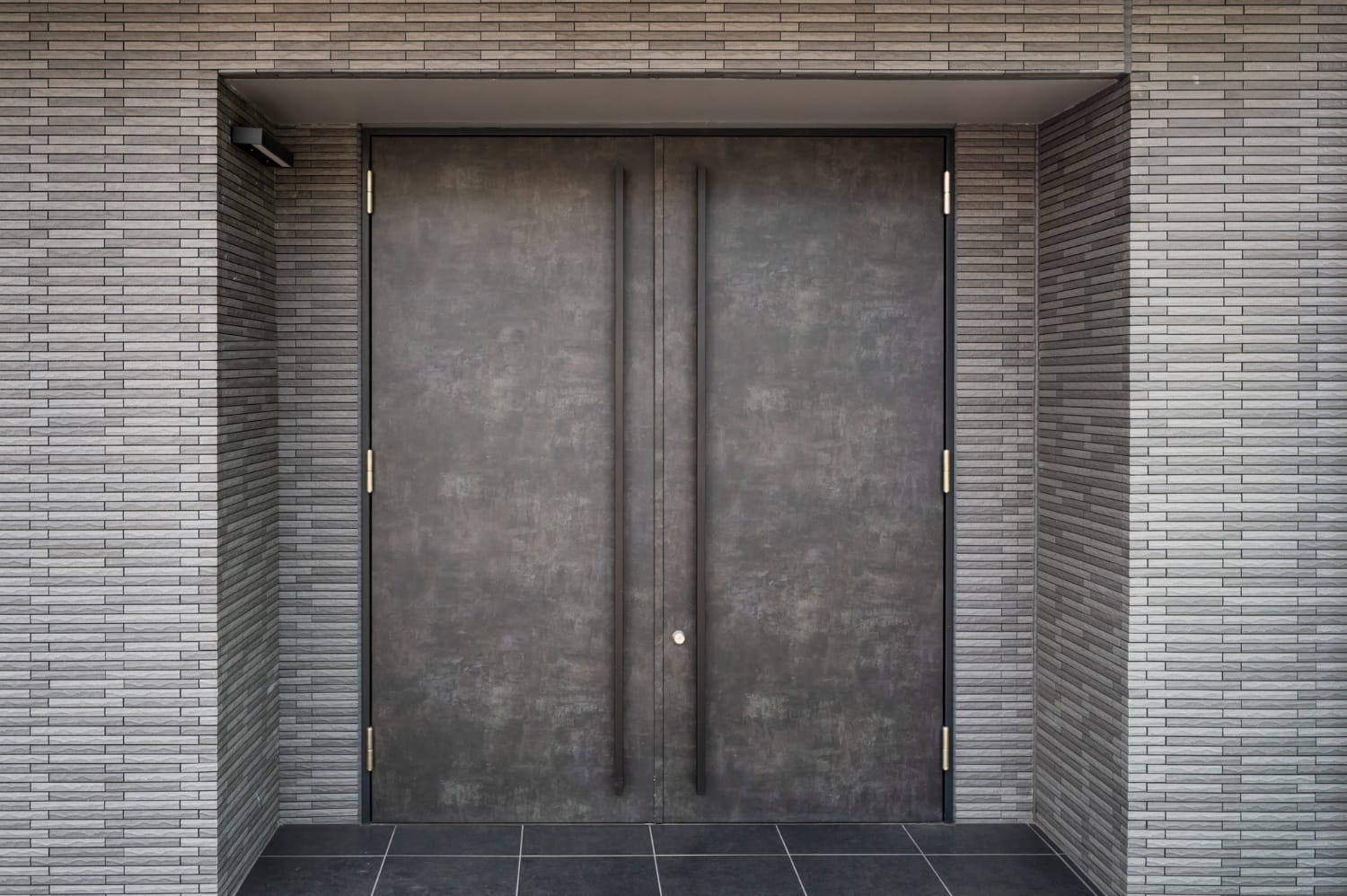
Fiberglass Doors for Florida Commercial Projects: Strength Without Corrosion

Fiberglass doors are commercial doors made from molded fiberglass skins over a reinforced core, and because fiberglass does not rust, they hold up well on Florida openings exposed to humidity, salt air, and frequent washdown. Mills & Nebraska helps Florida contractors and architects specify fiberglass doors, coordinate hardware and frames, and confirm code approvals.
For contractors, architects, and facility managers, fiberglass doors provide a balance of performance, aesthetics, and long-term value, offering strength without corrosion on openings where traditional wood or steel may struggle.
Why Fiberglass Doors Are Gaining Popularity in Commercial Construction
The Challenge of Corrosion in Florida's Climate
Florida's climate is unforgiving on building materials. High humidity, salt air, and frequent rain can quickly degrade steel or iron door systems that are not properly protected. Corrosion leads to rust, finish failure, increased maintenance, and shortened service life.
Fiberglass doors eliminate this concern. Because fiberglass does not rust or corrode, it maintains its structural integrity and appearance even in demanding environments.
How Fiberglass Compares to Steel, Aluminum, and Wood
Each commercial door material has its place, but fiberglass fills a specific performance gap. Steel doors offer strength but rely on galvanized steel and coatings, plus ongoing maintenance, to prevent corrosion. Wood doors deliver natural beauty but are vulnerable to moisture, warping, and finish breakdown. Aluminum resists corrosion but can dent more easily.
Fiberglass doors can provide the look of wood grain without the moisture sensitivity of wood, and they deliver durability without the corrosion risks associated with iron or steel.
Performance Benefits for Long-Term Commercial Use
For commercial construction, consistency and longevity matter. Fiberglass doors hold their shape, resist impact, and maintain a uniform appearance over time. They are less prone to warping than wood and typically require less maintenance than unprotected metal doors.
What Are Fiberglass Doors and How Are They Made?
Fiberglass Door Construction and Core Options
Fiberglass doors are manufactured using molded fiberglass skins bonded to a reinforced core. This construction creates a strong, rigid door panel that resists cracking, denting, and moisture intrusion.
Strength, Impact Resistance, and Structural Integrity
Despite their lighter weight compared to steel doors, fiberglass doors offer solid strength. They resist impact, maintain edge integrity, and perform well where doors are subjected to carts, equipment, or frequent use.
Thermal Performance and Energy Efficiency
Fiberglass doors with insulated cores help limit heat transfer at exterior openings, which can improve efficiency and occupant comfort inside the building.
Code and Compliance Considerations for Fiberglass Doors
Florida Building Code and Wind Load Requirements
Any exterior door used in Florida commercial construction must comply with the Florida Building Code, 8th Edition (2023), including wind-load requirements. Fiberglass doors can be specified with Florida Product Approval for the design pressures required on a project. Learn more in our Florida Building Code resource.
Fire-Rated and Life-Safety Options
Certain commercial applications require fire-rated door assemblies. Fiberglass doors are not used for all fire-rated conditions, but some manufacturers offer labeled fire-rated fiberglass doors. Always confirm the listing and rating duration for the specific product.
ADA Accessibility and Hardware Compatibility
Fiberglass doors must meet ADA accessibility standards just like any other commercial door, including a 32 inch minimum clear width, compliant hardware mounted 34 to 48 inches above the floor, and appropriate commercial hardware.
Common Commercial Applications for Fiberglass Doors
Exterior Openings in Coastal and High-Humidity Areas
Fiberglass doors excel in environments where moisture, salt air, and humidity quickly degrade traditional materials.
Healthcare, Education, and Government Facilities
Healthcare and education facilities benefit from fiberglass doors because of their durability, low maintenance requirements, and consistent appearance.
Utility Rooms, Mechanical Spaces, and Service Entrances
Fiberglass doors are frequently used in utility and service areas where strength, moisture resistance, and long-term reliability matter more than decorative aesthetics.
How Mills & Nebraska Supports Fiberglass Door Projects
Expert Material Selection and Specification Support
Mills & Nebraska works with contractors, architects, and facility managers to determine when fiberglass doors are the right solution, with Design and Specification Services and an Architectural Hardware Consultant on staff.
Hardware Prep, Frame Compatibility, and Code Guidance
Proper door performance depends on precise prep and correct frame selection. Mills & Nebraska helps make sure fiberglass doors are prepped for hardware, paired with compatible frames, and specified correctly for code compliance.
Reliable Delivery for Commercial Construction Timelines
With warehouses in Orlando and Lakeland and our own delivery fleet, Mills & Nebraska helps keep commercial projects on schedule.
Conclusion: A Smart Door Solution for Florida's Environment
Fiberglass doors offer a compelling balance of strength, efficiency, and resistance to Florida's harsh environmental conditions. They eliminate corrosion concerns while maintaining a clean, consistent appearance across years of use.
FAQs
What are fiberglass doors used for in commercial construction?
Fiberglass doors are commonly used in commercial buildings for exterior and service openings where moisture resistance, durability, and low maintenance are required.
Do fiberglass doors meet Florida Building Code requirements?
They can. A commercial fiberglass door meets Florida Building Code wind-load requirements when the specific product and configuration carry a Florida Product Approval (or Miami-Dade NOA in the HVHZ) for the project's design pressure.
Can fiberglass doors be fire-rated for commercial use?
Some fiberglass door assemblies are available with fire-rated options depending on manufacturer and construction.
How do fiberglass doors compare to steel doors in Florida's climate?
Fiberglass doors resist corrosion, rust, and moisture damage better than steel in humid and coastal environments, while steel remains the more common choice for high-security and many fire-rated openings.
Request a quote or contact Mills & Nebraska to discuss fiberglass door options for your commercial project.
Products and Services in This Article
- Fire-Rated Doors & FramesFire-rated doors and frames from Mills & Nebraska in Orlando, FL: hollow metal, wood and fiberglass assemblies rated 20 minutes to 3 hours, labeled in house.
- Exit Devices & Panic HardwareRim, vertical rod and mortise devices, including UL listed fire exit hardware.
- Glass Light Kits & Vision LitesVision lites and light kits factory glazed into hollow metal and wood doors.
- Commercial Door HingesBall bearing, continuous, swing clear and power transfer hinges.
Need Expert Guidance?
Our technical team is ready to help you navigate specifications, code requirements, and product selection for your project.