.jpg)
.png)




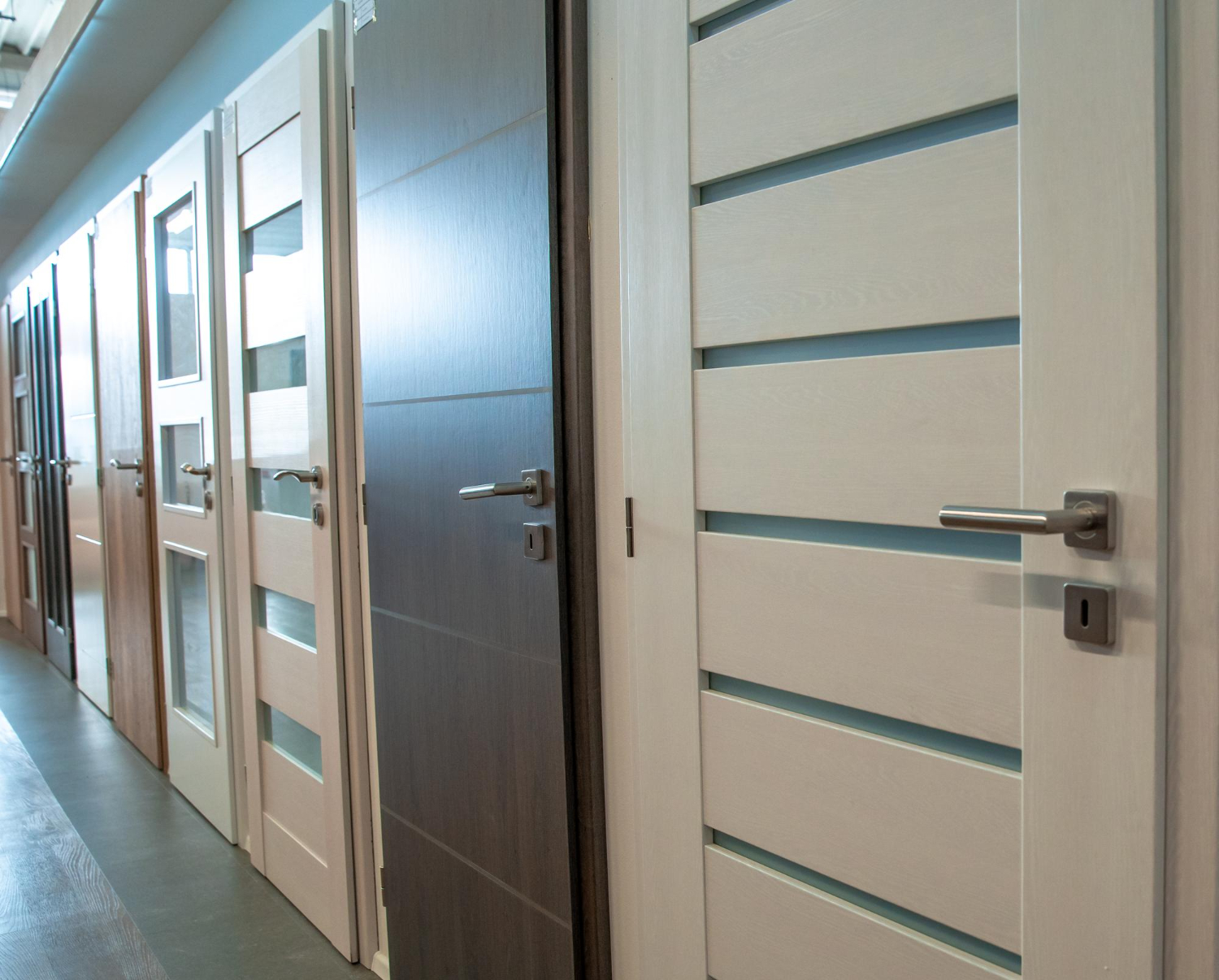
Commercial door fabrication plays a critical role in modern construction, especially on projects where safety, compliance, and long-term performance are non-negotiable. Unlike off-the-shelf products, professionally fabricated commercial doors are built to meet exact specifications—ensuring doors and frames perform correctly under real-world conditions, pass inspection, and install efficiently on-site.
For contractors, architects, and facility managers, working with a fabrication partner like Mills & Nebraska means fewer jobsite issues, better coordination, and door systems that are engineered—not improvised.
Why Commercial Door Fabrication Matters in Modern Construction
Fabrication vs. Off-the-Shelf Door Products
Off-the-shelf doors are manufactured to generalized dimensions and assumptions. While they may work for light-duty applications, they often fall short in commercial construction where wall conditions, fire ratings, and hardware requirements vary widely.
Commercial door fabrication allows doors and frames to be built specifically for the project—whether that involves commercial steel doors, hollow metal doors, or wood doors with custom prep. Fabrication ensures correct sizing, reinforcement, and compatibility with commercial door hardware from the start, reducing costly adjustments in the field.
How Fabrication Impacts Safety, Performance, and Longevity
A fabricated door is designed as part of a complete system. Reinforced hinge locations, proper door closer prep, and compatibility with lever hardware or mortise lock sets all contribute to long-term performance.
When fabrication is done correctly, doors operate smoothly, maintain alignment, and preserve their rated performance over time. Poor fabrication, on the other hand, can lead to premature hardware failure, compromised security, and increased maintenance costs—especially in high-traffic commercial environments.
The Role of Fabrication in Passing Inspections
Many inspection failures trace back to fabrication errors, not installation mistakes. Missing reinforcements, incorrect hardware prep, or mismatched doors and frames can cause fire rated assemblies to fail inspection.
Fabrication that follows tested assemblies and code requirements helps ensure that doors arrive jobsite-ready, labeled correctly, and compliant with applicable standards—saving time and preventing rework during critical inspection phases.
What Goes Into Professional Commercial Door Fabrication
Material Selection: Steel, Hollow Metal, Wood, and Specialty Doors
Material choice is one of the most important decisions in commercial door fabrication. Steel doors and hollow metal frames are commonly used for durability, security, and fire-rated applications. Wood doors may be selected for interior spaces where aesthetics matter, but still require proper cores and prep to meet commercial performance standards.
Mills & Nebraska fabricates commercial metal and wood doors based on the functional needs of each opening—balancing durability, rated requirements, and design intent.
Core Types, Reinforcements, and Structural Integrity
The internal construction of a door determines how it performs over time. Fire rated doors, for example, require specific core materials and reinforcements to maintain their rating. Louvers, vision panels, and hardware cutouts must all be coordinated during fabrication to preserve structural integrity.
Reinforcements for hinges, closers, and heavy commercial door hardware ensure that doors withstand repeated use without sagging or misalignment—especially in facilities with continuous traffic.
Precision Sizing for Real-World Wall Conditions
No two walls are exactly the same. Variations in masonry, drywall, or structural openings can create challenges if doors and frames are not fabricated to precise dimensions.
Professional fabrication accounts for wall thickness, anchoring requirements, and tolerances so that doors and frames fit correctly upon delivery. This precision reduces field modifications, accelerates installation, and helps keep construction schedules on track.
Code Compliance Starts at the Fabrication Stage
Fire-Rated Door Fabrication and UL Labeling
Fire rated commercial doors must be fabricated as tested assemblies. This includes the door, frame, reinforcements, and hardware preparation. UL labels must be applied correctly and remain intact through installation.
Mills & Nebraska fabricates fire rated steel doors and hollow metal doors to match approved assemblies, ensuring compliance with life-safety requirements and smoother inspections.
ADA Requirements and Hardware Preparation
Accessibility compliance depends heavily on fabrication accuracy. Proper mounting heights for lever hardware, smooth operation with door closers, and correct clearances all begin at the fabrication stage.
By prepping doors and frames correctly for commercial door hardware, fabrication helps ensure ADA compliance without requiring field alterations that could compromise performance or appearance.
Florida Building Code and Hurricane Considerations
In Florida construction, fabrication must also account for wind-load requirements, durability, and long-term exposure. Doors and frames fabricated for exterior or high-risk areas must support rated performance while maintaining compatibility with the surrounding structure.
Early coordination during fabrication helps ensure that commercial doors meet Florida Building Code requirements before they ever reach the jobsite.
Fabrication for Performance and Installation Efficiency
Hardware Prep for Hinges, Locks, Closers, and Access Control
One of the biggest advantages of professional commercial door fabrication is accurate hardware preparation. Every hinge reinforcement, mortise lock cutout, lever prep, and door closer location must be precise to ensure smooth installation and long-term performance.
Mills & Nebraska performs in-house prep for commercial door hardware so doors arrive ready for installation—not field modification. This includes preparation for locks, closers, louvers, and access control devices, allowing installers to work efficiently while preserving door ratings and finish quality.
Frame Fabrication, Anchoring Prep, and Tolerances
Doors only perform as well as the frames that support them. Fabrication includes precise frame sizing, anchoring prep, and tolerance control to ensure proper alignment once installed. Poorly fabricated frames can lead to binding doors, uneven gaps, or compromised fire-rated performance.
By fabricating doors and frames together, Mills & Nebraska ensures compatibility across the entire opening—reducing adjustments in the field and improving overall installation quality.
Reducing Field Modifications and Installation Errors
Field modifications increase labor costs, delay schedules, and often create compliance risks. Misaligned hardware, incorrect reinforcements, or improper sizing can force installers to make on-site changes that jeopardize ratings or warranties.
Accurate fabrication minimizes these risks. Doors and frames that arrive correctly prepped allow crews to install faster, pass inspection sooner, and avoid unnecessary rework—saving time and money across the project.
Common Problems Caused by Poor Door Fabrication
Misaligned Frames and Improper Hardware Locations
Incorrect fabrication can cause hinges, strikes, or closers to sit out of alignment, leading to doors that sag, drag, or fail prematurely. These issues often appear after installation, when correction becomes expensive and disruptive.
Precision fabrication ensures hardware locations match door weight, usage patterns, and performance expectations from day one.
Failed Inspections Due to Incorrect Ratings or Labels
Fire rated and code-compliant openings depend on proper fabrication. Missing UL labels, incorrect core types, or unapproved modifications can cause an otherwise well-installed door to fail inspection.
Mills & Nebraska fabricates inspection-ready doors and frames with proper labeling and documentation, reducing the risk of failed inspections and project delays.
Costly Jobsite Delays and Rework
When doors don’t fit or hardware doesn’t align, installations stall. These delays ripple through the construction schedule, affecting trades, inspections, and occupancy dates.
Fabrication errors often cost more to fix in the field than to prevent in the shop—making quality fabrication a critical investment rather than an optional upgrade.
How Mills & Nebraska Delivers Precision Commercial Door Fabrication
In-House Fabrication and Quality Control
Mills & Nebraska performs commercial door fabrication in-house, allowing for tight quality control at every stage. From steel and hollow metal doors to wood doors and specialty assemblies, each product is fabricated to match project specifications exactly.
This hands-on approach ensures consistency, accuracy, and accountability—qualities that outsourced fabrication often lacks.
Inspection-Ready Door and Frame Assemblies
Doors and frames fabricated by Mills & Nebraska are delivered as complete, coordinated assemblies. Fire rated doors include proper labels, hardware prep, and documentation so inspectors can easily verify compliance.
This inspection-ready approach helps contractors avoid last-minute corrections and keeps projects moving forward without disruption.
Coordination with Contractors, Architects, and Inspectors
Successful fabrication requires communication. Mills & Nebraska works closely with contractors, architects, and project teams to coordinate details like hardware schedules, rated requirements, and installation conditions.
This collaboration helps ensure that what’s fabricated in the shop aligns perfectly with what’s required in the field—reducing surprises and improving project outcomes.
Industries That Rely on Custom Commercial Door Fabrication
Healthcare, Education, and Government Facilities
These facilities depend on doors that meet strict fire rated, accessibility, and durability requirements. Fabricated commercial doors ensure consistent performance in high-traffic, life-safety environments.
Industrial, Warehouse, and Manufacturing Projects
Heavy-duty environments require commercial metal doors and hollow metal frames fabricated to handle impact, frequent use, and demanding conditions. Precision fabrication ensures long-term reliability in these applications.
Office, Retail, and Hospitality Construction
Aesthetics and performance must coexist in these spaces. Custom fabricated wood doors, steel doors, and specialty assemblies support design goals while meeting code and operational requirements.
Conclusion: Fabrication That Protects Performance and Compliance
Commercial door fabrication is not just about building doors—it’s about building reliable, code-compliant openings that perform for years. From material selection to hardware prep and labeling, fabrication determines whether doors install smoothly, pass inspection, and operate as intended.
Mills & Nebraska delivers fabrication that supports safety, sustainability, and long-term performance—backed by experience, precision, and responsive customer service.
Start Your Commercial Door Fabrication Project with Mills & Nebraska
If your project requires doors that fit correctly, install efficiently, and meet code the first time, Mills & Nebraska is ready to help.
Their team provides expert fabrication of commercial steel doors, hollow metal doors, wood doors, and complete doors and frames—prepped, labeled, and ready for installation.
Contact Mills & Nebraska today to request a quote and discuss your commercial door fabrication needs with a trusted Florida partner.
FAQs (Frequently Asked Questions)
What is commercial door fabrication?
Commercial door fabrication is the process of manufacturing and preparing doors and frames to meet specific project requirements, including size, material, hardware prep, fire ratings, and code compliance. Fabricated doors are built to install correctly and perform reliably in commercial construction environments.
How is fabricated commercial door different from off-the-shelf doors?
Fabricated doors are customized for the exact opening, wall condition, and hardware requirements of a project. Off-the-shelf doors often require field modifications, which can cause delays, void ratings, or create installation issues. Fabrication reduces errors and ensures inspection-ready assemblies.
Can fabricated commercial doors be fire rated and ADA compliant?
Yes. Mills & Nebraska fabricates fire rated commercial doors with proper UL labeling and prepares openings to meet ADA accessibility requirements. Door hardware, clearances, and operation are coordinated during fabrication to ensure full compliance.
What materials can be used in commercial door fabrication?
Common materials include steel, hollow metal, wood doors, and specialty door types. Each material is selected based on performance needs such as fire rating, durability, sustainability goals, or architectural design requirements.
Does Mills & Nebraska provide hardware prep with door fabrication?
Yes. Mills & Nebraska performs in-house hardware prep for hinges, mortise locks, door closers, louvers, and access control hardware. This ensures doors and frames arrive job-site ready, reducing installation time and minimizing errors.