Hurricane-Rated & Windstorm-Resistant Doors and Frames
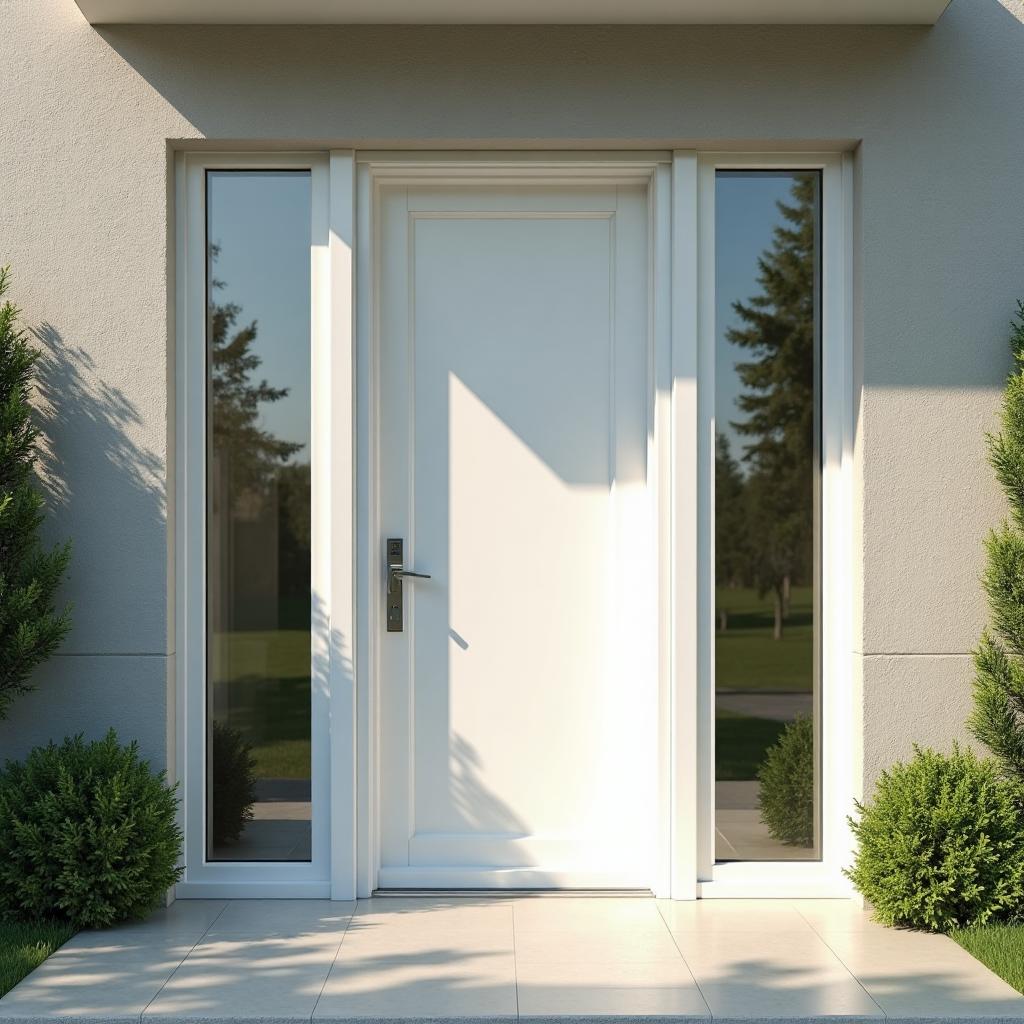
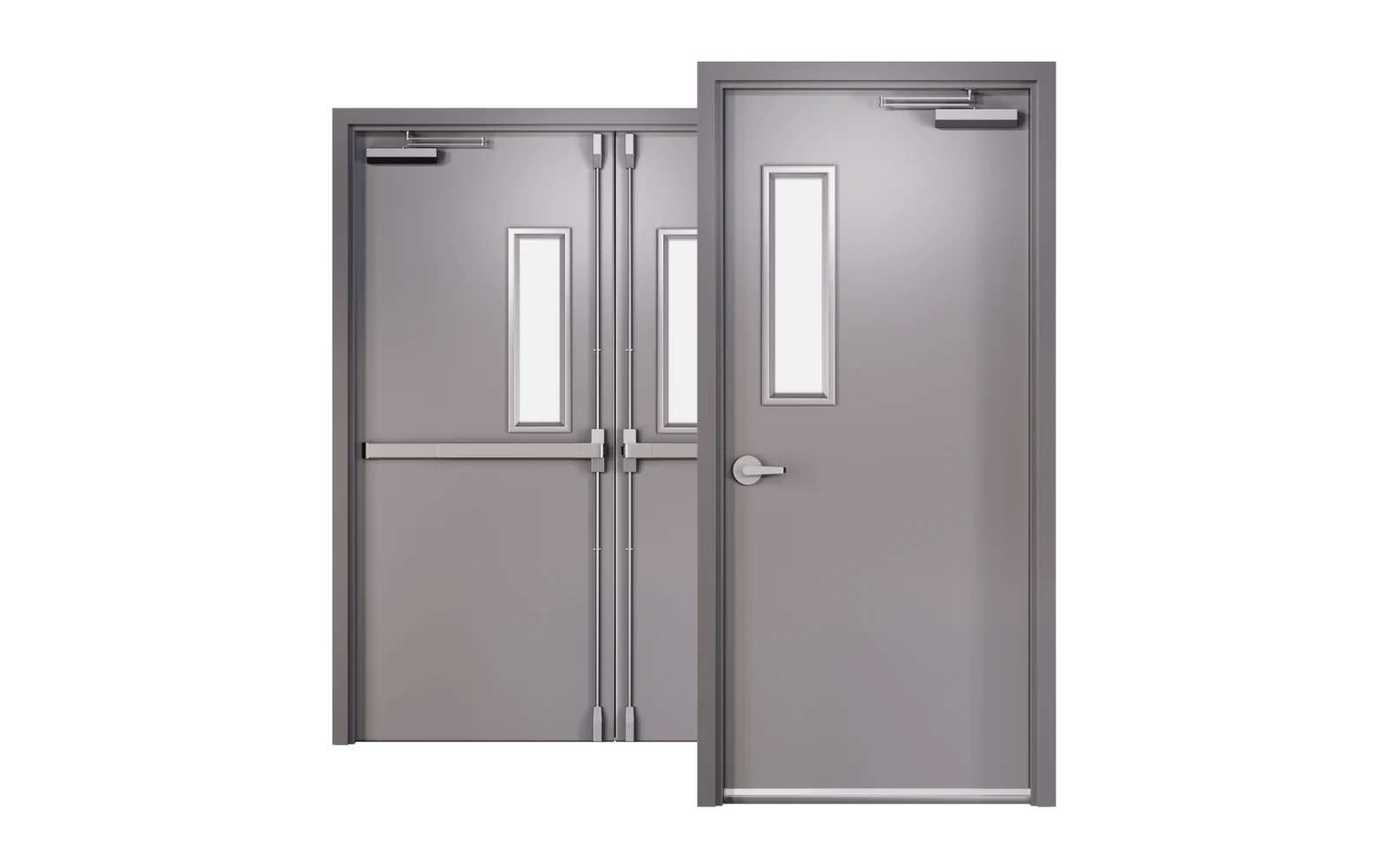
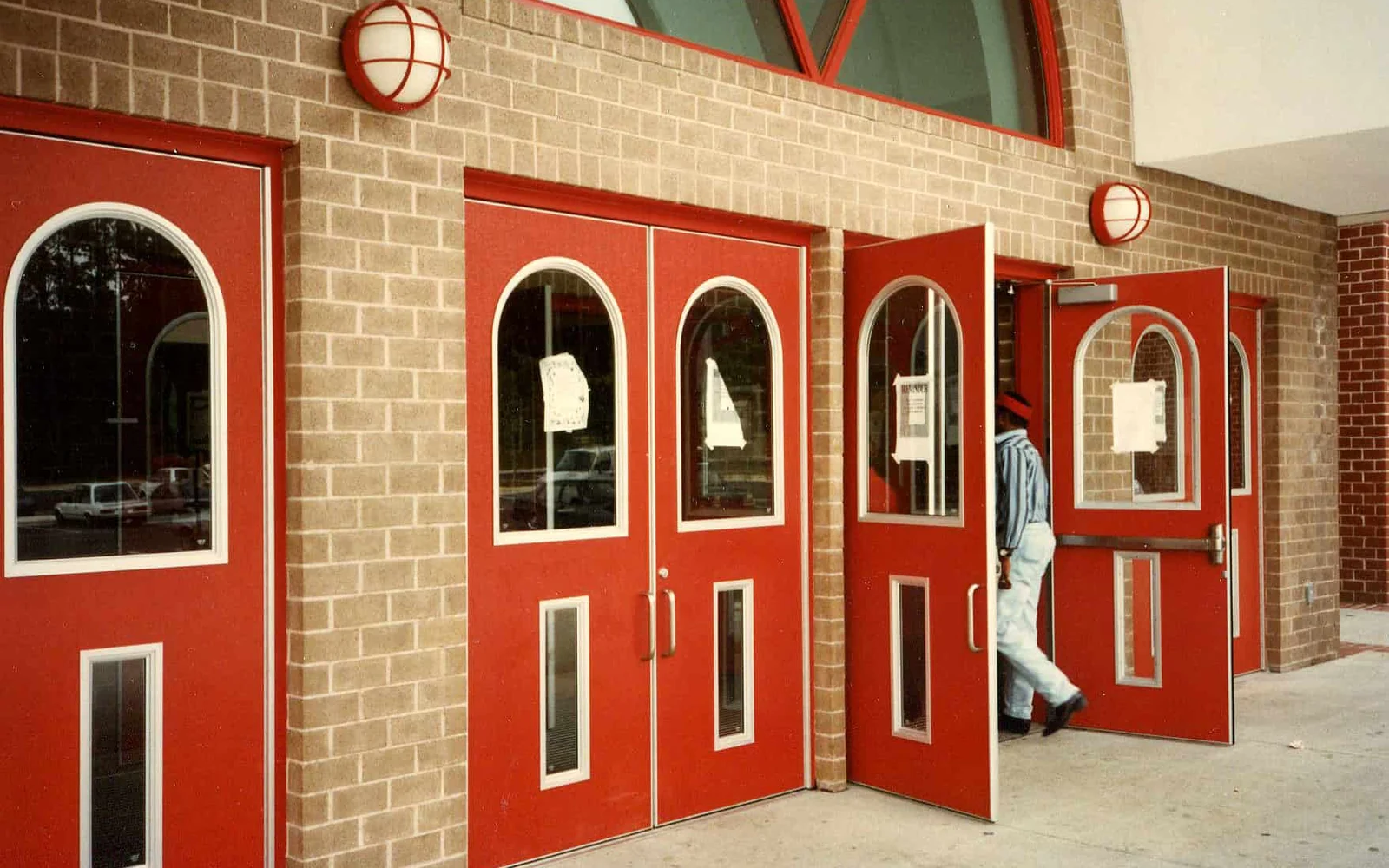
Hurricane-rated doors and frames are exterior opening assemblies (door, frame, hardware, glazing and anchoring) tested to resist a design wind pressure and, where required, wind-borne debris impact. In Florida the assembly needs a Florida Product Approval (FL#) or a local product approval, such as a Miami-Dade Notice of Acceptance (NOA), that covers the project's design pressure. Mills & Nebraska supplies windstorm resistant hollow metal and fiberglass door assemblies from Orlando and Lakeland.
Wind rating is an attribute of the tested assembly, not a separate product: the door, frame, anchors and hardware must be installed exactly as the approval document shows.
The project's location and design pressure decide which approval an exterior door needs. The approval document lists the design pressures, impact rating and installation details.
Florida approval paths and test standards for hurricane-rated door assemblies by wind zone
Wind zone
Approval path
Test standards
Confirm in submittals
High-Velocity Hurricane Zone (Miami-Dade and Broward counties)
Miami-Dade NOA, or Florida Product Approval approved for HVHZ use
TAS 201 impact, TAS 202 static air pressure, TAS 203 cyclic wind pressure
Approval number, design pressure, anchoring
Wind-borne debris regions elsewhere in Florida
Florida Product Approval (FL#), or local product approval such as a Miami-Dade NOA
Impact commonly tested to ASTM E1886 and ASTM E1996
Design pressure and impact rating, or approved protection for glazed openings
All other areas of Florida
Either approval path
Design pressure per the approval
Approval covers the project's design wind pressure
What Makes an Opening Compliant
A wind-rated opening performs only as tested, so every part of the installed assembly has to match the approval.
Approved door and frame
The door and frame must be the combination listed in the approval document, with its NOA or FL# number shown in submittals.
Hardware per the approval
Locks, latches, hinges and exit devices must match the hardware shown in the approval, since hardware and latching points are part of what was tested.
Impact glazing
Impact-rated glazing options are available for glazed exterior doors, and the glass size, type and glazing method must match the approval.
Anchoring and installation
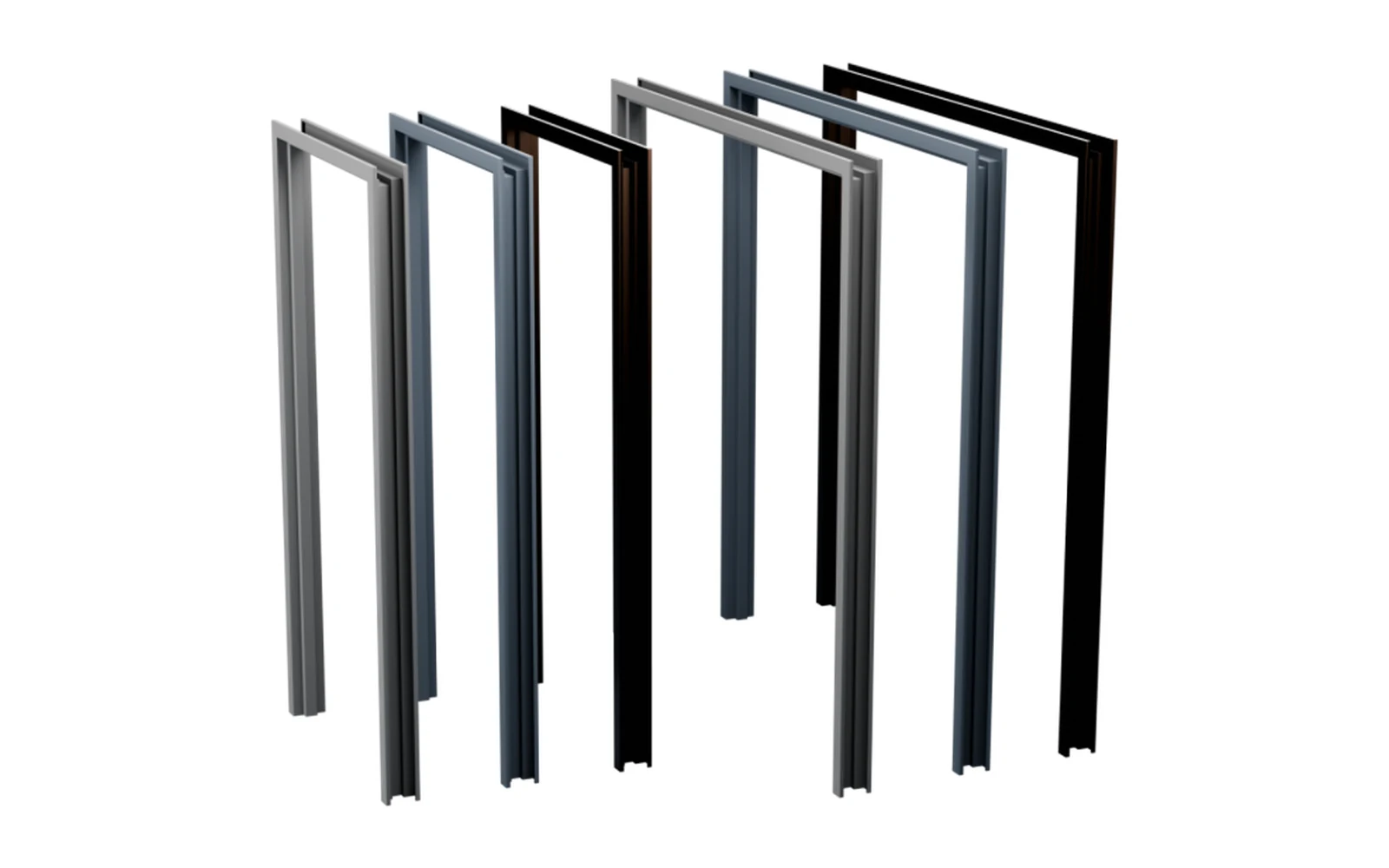
Frames are anchored exactly as the approval shows, with the specified anchor type, spacing and substrate. Installation that departs from the approval can void the rating.
Fire and wind together
Many hollow metal assemblies are tested for both fire resistance and wind load. When an exterior stair or equipment room exit needs both, specify an assembly that carries both ratings.
In-House Intertek-Certified Labeling for Fire and Wind
Wind labels are applied in house at our Orlando facility under our Intertek certification for fire and wind, and our team checks each opening against its approval document so the door, frame, anchors and hardware match the tested assembly.
Assemblies are delivered by our own fleet across Florida and shipped nationwide and to the Caribbean.
What is the difference between a Miami-Dade NOA and Florida Product Approval?
A Miami-Dade Notice of Acceptance (NOA) is issued by Miami-Dade County after it reviews the product's test reports. Florida Product Approval is the statewide approval, identified by an FL# and administered by the Florida Department of Business and Professional Regulation. Both documents list the approved design pressures, impact rating and installation requirements.
Which Florida counties are in the High-Velocity Hurricane Zone?
The HVHZ covers Miami-Dade and Broward counties only. Exterior doors installed there need a Miami-Dade NOA or a Florida Product Approval approved for use in the zone, based on TAS 201, 202 and 203 testing.
What do TAS 201, TAS 202 and TAS 203 test?
TAS 201 is the hurricane debris impact test (the code calls this debris a missile: a 9 lb 2x4 for the large test and small steel balls for the small test), TAS 202 is the uniform static air pressure test for structural performance, and TAS 203 is the cyclic wind pressure loading test. They are Florida Building Code testing application standards.
Do hurricane-rated doors need impact-rated glass?
Not always. Outside the HVHZ, glazed openings in wind-borne debris regions must be impact resistant or protected, and products are commonly tested to ASTM E1886 and ASTM E1996. Every exterior door still needs a product approval that meets the project's design wind pressure.
What is design pressure on a door approval?
Design pressure is the positive and negative wind load, in pounds per square foot, that an assembly is approved to resist. The project's design professional calculates the required pressure for each opening from the code wind speed, exposure and the door's location on the building, and the approval must meet or exceed it.
Does an interior door need a wind rating?
Generally no. Product approval for wind applies to exterior doors and other parts of the building envelope. Interior doors are chosen for fire rating, security and use instead, although doors in a storm shelter follow their own shelter criteria, such as FEMA P-361 or ICC 500.
Price Your Wind-Rated Openings
Send your door schedule, wind zone and design pressures, and our team will match each exterior opening to an approval that covers it.