


Electric Strike vs Maglock: Entry, Exit and Power Loss

Electric strike vs maglock selection starts with what keeps the opening secured: a controlled keeper holding a mechanical latch, or a powered magnetic bond. The devices also differ in how a person exits and what happens when power disappears. Compare those behaviors before treating either device as an interchangeable access-control upgrade.
Quick answer: An electric strike works with the door's latching hardware; an electromagnetic lock holds an armature through magnetic attraction. For a commercial project, identify the entry condition, the interior release method and the required power-loss response before requesting a part. Mills & Nebraska's on-staff Architectural Hardware Consultant can assist with the specification review. Bring a description of the opening's intended operation, not only a preferred lock style, to that discussion.
Electric strike vs maglock: what physically holds the door?
A strike controls a latchbolt through a movable keeper, while a maglock secures an armature with an energized magnet. That mechanical distinction changes what the proposed hardware must work with. It is more useful than comparing the appearance of two devices in a catalog.
A latchbolt is the projecting part of a lockset or exit device that engages receiving hardware when the leaf closes. The keeper is the portion of an electric strike that can release that latchbolt for entry. Allegion's October 2023 explanation of electrified hardware describes the keeper releasing to let the latchbolt pass through, rather than turning the lever or retracting the latchbolt itself.
An electromagnetic lock, also called a maglock, uses a magnet mounted on the frame and a steel armature on the door. Applying power creates the bond that secures the opening. Allegion's August 2025 discussion of electromagnetic-lock applications explains this arrangement and why its exit-release provisions need separate consideration.
Identify the existing latch and receiving hardware before asking whether a strike can be substituted. For a magnetic proposal, identify the intended magnet and armature arrangement. Neither description should be reduced to an instruction to add electronic access without saying which physical components are involved.
What happens to each device when power is removed?
Magnetic locking releases when the magnet loses power. Electric-strike behavior depends on whether the selected configuration is fail safe or fail secure. Those terms describe the access-side condition when power is removed, not a complete description of how occupants leave.
The October 2023 Allegion article defines fail safe as unlocked on the access side without power, and fail secure as locked on that side without power. Identify the strike's actual function; its response may differ from the magnetic device's. Write the required condition alongside the specified model.
Keep loss of power separate from a normal credential transaction. A credential reader asks the system to allow access during operation; fail mode describes the hardware when power is absent. A request such as unlock for authorized staff does not answer both questions.
Ask the designer to describe the intended condition during a power interruption. Should access from the secured side remain restricted, or must that side be available? The answer belongs to the opening's approved design, not a general claim that one mode is safer everywhere.
How does an occupant exit through the opening?
With the electric-strike arrangement described by Allegion, the lockset or panic hardware operates independently for interior release. A magnetic lock instead needs a release arrangement that interrupts its holding power. Confirm the inside-release arrangement explicitly; a reader or outside credential alone does not establish a way out.
Allegion's strike explanation describes occupants turning an inside lever or pressing the panic hardware to exit independently of the strike's fail mode. Its discussion also identifies exceptions involving institutional double-cylinder functions. Other lock functions and special locking systems require their own operating descriptions.
Allegion's August 2025 article distinguishes release by a switch in door-mounted hardware from release by a sensor detecting an approaching occupant. Sensor-release locks must unlock upon loss of power and upon activation of the fire alarm or sprinkler system, if present. The article attributes a change to the 2024 International Building Code and International Fire Code: doors required to have panic hardware are limited to door-hardware release, with a switch in the panic hardware unlocking the electromagnetic lock; sensor release is no longer permitted on those doors by those editions. Check the edition your jurisdiction has adopted, since Florida's adopted edition may differ.
For a door with commercial exit devices, describe how operating the inside hardware will affect the proposed magnetic lock. If the device is a strike, identify the latch it receives instead. These are different coordination questions even when the same credential system controls outside entry.
Can either option be assumed suitable for a fire-rated opening?
No. The proposed hardware configuration needs review against the opening's required fire rating and documented use. An access-control function or a catalog reference to fire performance does not establish the acceptability of the entire combination.
Allegion's October 2023 explanation says electric strikes on fire-door assemblies must be fail secure and listed for that use to preserve positive latching. Positive latching means the closed door engages its latch rather than remaining unlatched. Keep that strike-specific explanation distinct from claims about all electrified locks: other locking mechanisms control different parts of the opening.
For fire-rated openings, request documentation for the proposed operating configuration and review it against the adopted requirements. A magnetic lock does not latch a door, so a fire door still needs its own listed latching hardware. Allegion's July 2018 explanation of maglocks on fire doors states that the maglock must also be labeled for fire-door use and installed in accordance with the door, frame and hardware listings.
This comparison does not assign a rating, quote occupancy thresholds or select a code edition for a Florida project. Confirm the governing requirements for the actual location.
What information should a comparison request include?
Mills & Nebraska supplies commercial doors, frames and architectural hardware. Frame the request around the proposed opening so the hardware comparison has a defined context, with the required operating sequence. Review the broader commercial hardware components alongside the selected access device.
A useful comparison can identify:
- The opening mark and the existing door and frame configuration.
- The lockset or exit hardware already specified, including its latch description.
- The proposed strike configuration or magnet-and-armature arrangement.
- The intended entry sequence and interior release method.
- The required response to lost power and any unresolved alarm interface.
- The supporting manufacturer documentation and the question requiring approval.
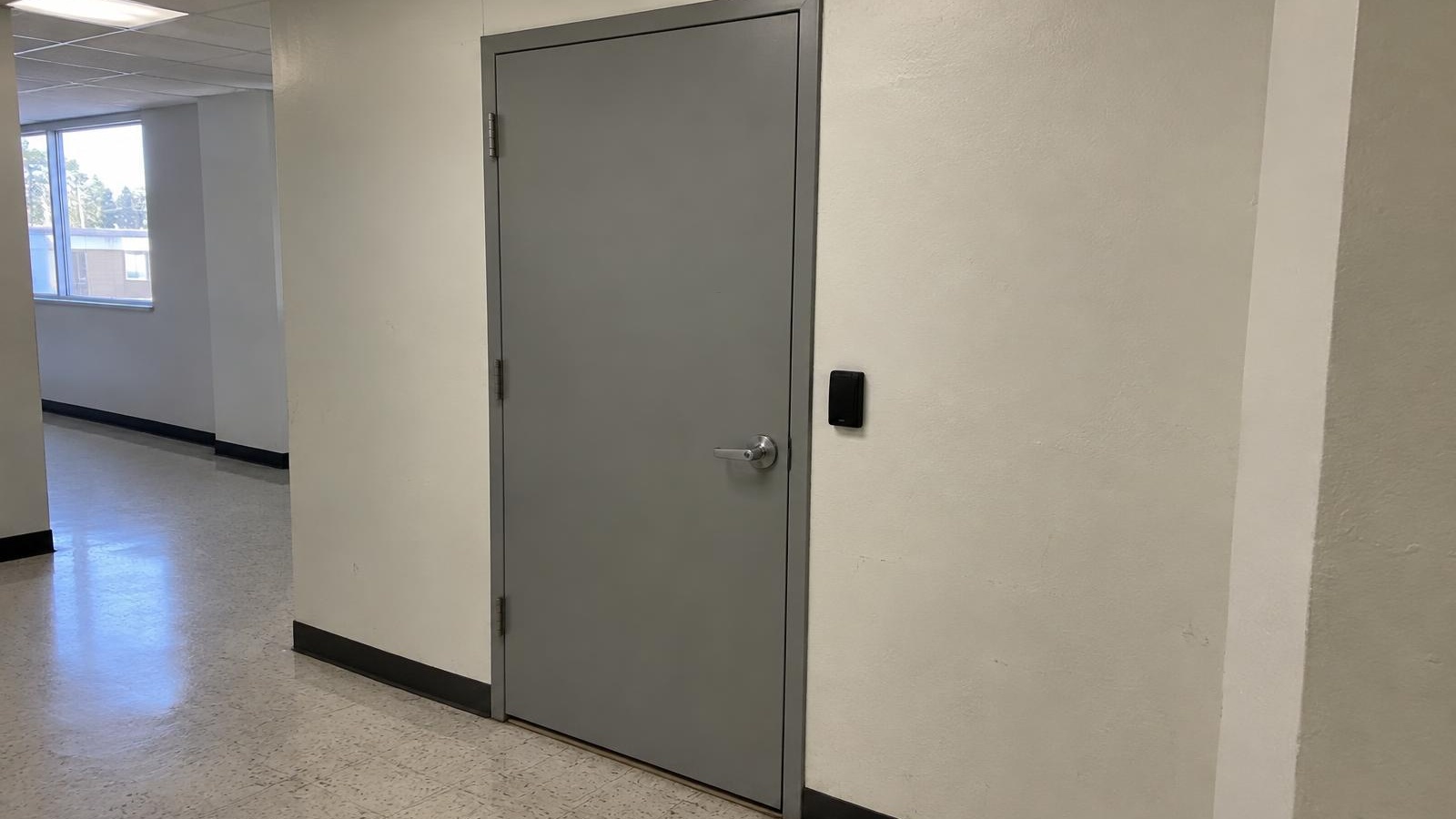
Separate observed conditions from intended operation. A photograph can show where the hardware is located, but it cannot explain the required behavior of an electronic release. Include a written sequence, such as an authorized entry request followed by interior operation, and ask the project team to resolve any missing conditions.
For the broader opening package, read commercial hardware for doors.
How should a proposed change from one device to the other be reviewed?
Treat the change as a different operating arrangement, not simply a replacement with another electronic product. Record which mechanism changes and which entry, exit and power-loss behaviors require review. A matching finish or the ability to use the same credential does not establish functional equivalence.
Use hardware specification services to present the specific comparison and manufacturer literature together. Identify the questions requiring a decision without assuming that the proposed substitution has already been accepted. Retain the resolved sequence with the opening information so purchasing does not have to reconstruct it from abbreviated notes.
FAQs
Is an electric strike the same as an electrified lockset?
No. The strike is receiving hardware controlling the latch through its keeper. An electrified lockset incorporates electrical control into the lock itself. Allegion describes these as separate mechanisms, so specify which component is being controlled rather than using electric lock as an unexplained shorthand on the order.
Does a magnetic lock replace the need to review a closer?
Closing hardware still needs a separate review. The proposed magnetic bond and its release sequence answer a locking question, not the entire closing arrangement. Identify the closing hardware separately in the project review and ask how the leaf will return to the required closed condition after release.
Can a credential reader tell you which hardware to choose?
A reader alone does not describe what holds the door or how inside release operates. Identify the locking mechanism and the required sequence first. Ask the system designer to confirm compatibility between the selected hardware, controls and intended operation before selecting hardware based on the reader's appearance.
What if the existing opening has no readable hardware identification?
Record the visible configuration and flag the missing identification for a qualified professional to investigate. Leave its listing and function unconfirmed until identification is documented. Request documented identification before making a replacement decision that depends on those characteristics.
Contact Mills & Nebraska with the opening details and the strike or magnetic-lock arrangement you want evaluated for your commercial project.
Products and Services in This Article
- Exit Devices & Panic HardwareRim, vertical rod and mortise devices, including UL listed fire exit hardware.
- Commercial Door LocksGrade 1 cylindrical and mortise locksets, keying and electrified options.
- Commercial Door HingesBall bearing, continuous, swing clear and power transfer hinges.
- Door Hardware SpecificationHardware consulting, scheduling and keying with an Architectural Hardware Consultant on staff.
Need Expert Guidance?
Our technical team is ready to help you navigate specifications, code requirements, and product selection for your project.