


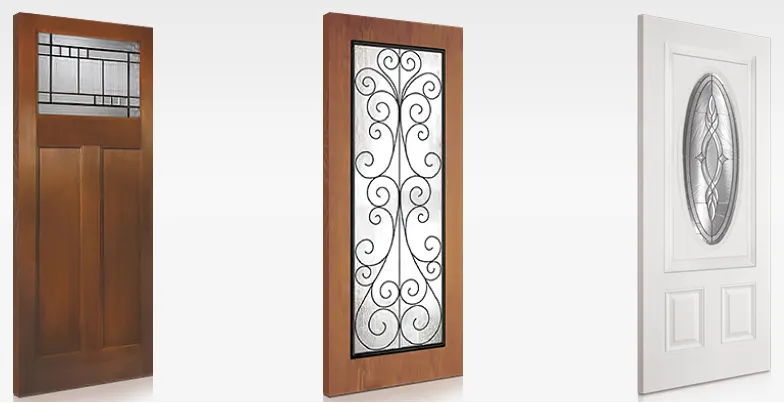
Plastpro Fiberglass Entry Doors

With a customer-focused philosophy, Plastpro has been a leading manufacturer of high-end fiberglass exterior doors since 1994. Focused on quality, Plastpro manufactures beautiful, long lasting fiberglass entry doors utilized in residential as well as commercial applications.
Fiberglass exterior doors offer a number of advantages over traditional wood doors, including extended life span, less maintenance, energy efficiency, and longer warranties. Plastpro's fiberglass exterior doors balance the durability of fiberglass doors with the aesthetics of wood.
Plastpro Fiberglass Door Series
When this post was published, Plastpro offered a wide range of fiberglass exterior door series to suit any taste or satisfy any building need, including:
- Rustic
- Modern
- Mahogany
- Fir Grain
- Woodgrain
- Smooth Skin
- True White Oak
- Onelite
- Cherry
- Trimmable
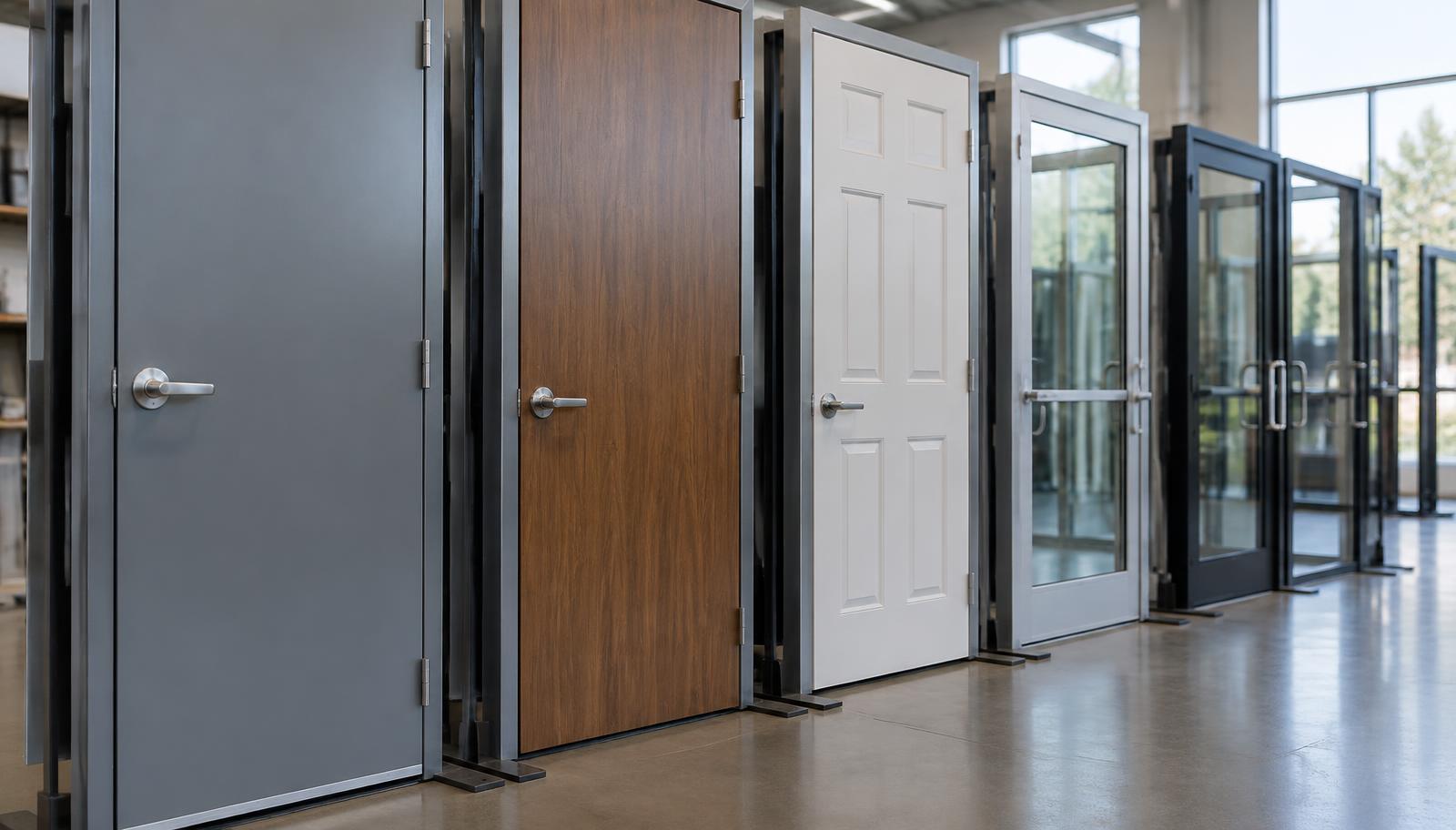
- Fire Rated
- Impact
What Makes Fiberglass Different
A fiberglass entry door is built as a composite: molded fiberglass skins on the faces, a reinforced perimeter frame, and a polyurethane foam core filling the interior. That construction is what gives fiberglass its reputation for durability. The skins will not rust like steel or rot like wood, the foam core adds insulation and helps reduce sound transmission, and the door does not swell, shrink, or warp as humidity changes. Those traits matter in Central Florida, where heat, rain, and humidity are the normal operating conditions for an exterior door, not the exception.
Compared with the alternatives:
- Wood entry doors offer natural character but expand and contract with seasonal moisture, which can lead to sticking, gaps, and finish failures unless they are maintained regularly.
- Steel entry doors are strong and economical but can dent, and any break in the coating gives rust a place to start, especially in humid or coastal locations.
- Fiberglass doors can be molded with a woodgrain texture and stained to resemble species such as oak, mahogany, or cherry, or produced with a smooth skin for a painted finish.
Wind and Impact Ratings in Florida
Exterior doors in Florida must comply with the Florida Building Code, which sets structural design pressures for openings based on the building's location, height, and exposure. In the code's wind-borne debris regions (generally within one mile of the coast where the basic wind speed is 130 mph or greater, and anywhere the basic wind speed is 140 mph or greater), glazed openings must be impact resistant or protected. The referenced test standards are ASTM E1886 and ASTM E1996 for most of the state, and the TAS 201, 202, and 203 protocols in the High-Velocity Hurricane Zone of Miami-Dade and Broward counties. Doors installed in those regions need a Florida Product Approval (an "FL" number) or a Miami-Dade Notice of Acceptance showing that the tested assembly, including the frame, glazing, and hardware, meets the required pressures. That is why an Impact series is listed separately above. Our hurricane doors guide covers the ratings in more detail.
Specifying a Fiberglass Entry Door
When requesting a quote for a fiberglass entry door, it helps to have the following ready:
- Opening size and swing (single or pair, inswing or outswing)
- Required design pressure or wind zone for the site
- Glass configuration (full lite, half lite, sidelites, transom) and whether impact glass is required
- Finish: factory stained woodgrain, smooth paintable skin, or field finished
- Fire rating, if the opening is part of a rated assembly
- Hardware and frame material to match the rest of the project
For wind-rated openings, see our hurricane-rated doors.
Contact Mills & Nebraska to learn more about our selection of Plastpro fiberglass entry doors.
Need Expert Guidance?
Our technical team is ready to help you navigate specifications, code requirements, and product selection for your project.