


Commercial Door Replacement in Florida: Code-Compliant Solutions Built to Last

Commercial door replacement is a critical service for Florida buildings where safety, compliance, and durability are non-negotiable. From hurricane exposure and high humidity to strict fire and accessibility codes, commercial openings in this state face more demands than in most parts of the country.
When doors begin to fail (whether structurally, mechanically, or from a compliance standpoint), replacement is often the safest and most cost-effective solution. Experienced commercial door specialists ensure that every new assembly meets Florida Building Code requirements, passes inspection, and performs reliably for years to come.
Why Commercial Door Replacement Is Critical in Florida Buildings
Signs Your Commercial Doors Need Replacement
Not every issue can be solved with a simple repair. Clear warning signs that a commercial door may require replacement include:
- Warped or rusted door panels
- Sagging hinges or visible frame separation
- Repeated hardware failure
- Fire-rated labels that are missing or damaged
- Doors that no longer latch or close properly
If a commercial door no longer operates smoothly or cannot maintain alignment, the integrity of the entire opening is compromised. In high-traffic facilities, these issues quickly escalate into safety and liability concerns.
How Florida’s Climate Accelerates Door Deterioration
Florida’s climate is especially harsh on commercial building materials. High humidity, salt air near coastal regions, heavy rainfall, and extreme heat cycles accelerate corrosion and material fatigue.
Exterior commercial door systems are particularly vulnerable. Steel components can rust without proper protection, wood doors can swell or warp, and improperly sealed frames may deteriorate over time. Even interior openings can suffer from moisture-related expansion and hardware stress.
Professional door replacement services take these environmental conditions into account when recommending replacement solutions, ensuring the new assembly is built for Florida’s long-term performance demands.
Safety, Liability, and Inspection Risks of Delaying Replacement
Delaying commercial door replacement can create significant risk. Doors are essential life-safety components in any commercial building. If they fail during an emergency, or fail inspection during renovation or resale, the consequences can be costly.
A non-compliant commercial door can lead to:
- Failed fire or life-safety inspections
- Delayed occupancy approvals
- Increased liability exposure
- Insurance complications
Replacing doors proactively helps avoid these issues while ensuring that the building remains safe and code compliant.
Common Reasons for Commercial Door Replacement
Failed Fire-Rated or Life-Safety Inspections
Fire-rated doors must function as tested assemblies. If a door has been modified in the field, improperly repaired, or stripped of its fire label (such as a UL or Intertek label), it may fail inspection, even if it appears functional.
Commercial door replacement becomes necessary when the door, frame, or hardware no longer meets fire-rated requirements. A properly fabricated and labeled replacement assembly restores compliance and protects occupant safety.
Hurricane and Impact Damage to Exterior Openings
In Florida, severe storms and hurricane-force winds frequently damage exterior openings. Even if a door remains intact, structural stress or pressure cycling may weaken its performance.
Impact damage, bent frames, compromised anchors, or glazing failure are all signs that replacement is safer than repair. Upgrading to a properly rated commercial door assembly ensures better performance during future severe weather events.
Hardware Failure, Misalignment, and Frame Damage
Over time, repeated use can cause hinges to sag, frames to twist, and hardware to loosen. When a commercial door no longer aligns properly within the frame, it may drag, fail to latch, or place excessive strain on closers and locks.
In some cases, hardware replacement alone is insufficient. If frame damage or structural distortion exists, a full door and frame replacement may be the only reliable solution. Coordinated commercial door services address the entire opening, not just isolated components.
Florida Code Requirements for Commercial Door Replacement
Fire-Rated Assemblies and UL Labeling
When replacing a fire-rated commercial door, the new assembly must match approved specifications. This includes the door slab, frame, hardware reinforcements, and visible fire labels from a recognized agency such as UL or Intertek.
Improper substitutions or missing labels can cause immediate inspection failure. Professional commercial door services ensure that replacement assemblies are properly fabricated, labeled, and delivered inspection-ready.
Florida Building Code and Wind-Load Compliance
Exterior commercial door replacement projects must align with Florida Building Code requirements for wind load and structural performance. In designated wind-borne debris regions, specific rating criteria may apply.
Door size, exposure conditions, anchoring methods, and surrounding wall construction all factor into compliance. Replacement without verifying these requirements can result in costly corrections later.
ADA Accessibility and Hardware Height Requirements
Accessibility standards remain mandatory during replacement projects. ADA compliance includes proper clear opening width, maneuvering clearance, hardware height, and operational force.
When replacing a commercial door, hardware must be installed at compliant heights and function without tight grasping or excessive force. Precision preparation and coordination during replacement prevent accessibility violations and protect building occupants.
What’s Included in a Professional Commercial Door Replacement
Door and Frame Assessment
A successful commercial door replacement begins with a thorough evaluation of the existing opening. This includes inspecting the door slab, frame condition, anchoring points, surrounding wall structure, and hardware integrity.
In many Florida buildings, hidden issues such as corrosion behind frames, loose anchors, or compromised wall substrates can affect performance. Professional commercial door services assess the entire assembly, not just the visible components, to determine whether a door-only replacement or a full doors and frames upgrade is required.
Proper Removal and Structural Evaluation
Removing an existing commercial door must be done carefully to avoid damaging surrounding construction. In fire-rated or exterior applications, preserving structural integrity during removal is essential.
Once the old door is removed, the opening is evaluated for:
- Frame alignment and plumb condition
- Anchor spacing and wall attachment
- Structural reinforcement compatibility
- Signs of moisture intrusion or deterioration
This step ensures the new commercial door will perform as intended and comply with code requirements once installed.
Hardware Prep, Reinforcements, and Assembly Coordination
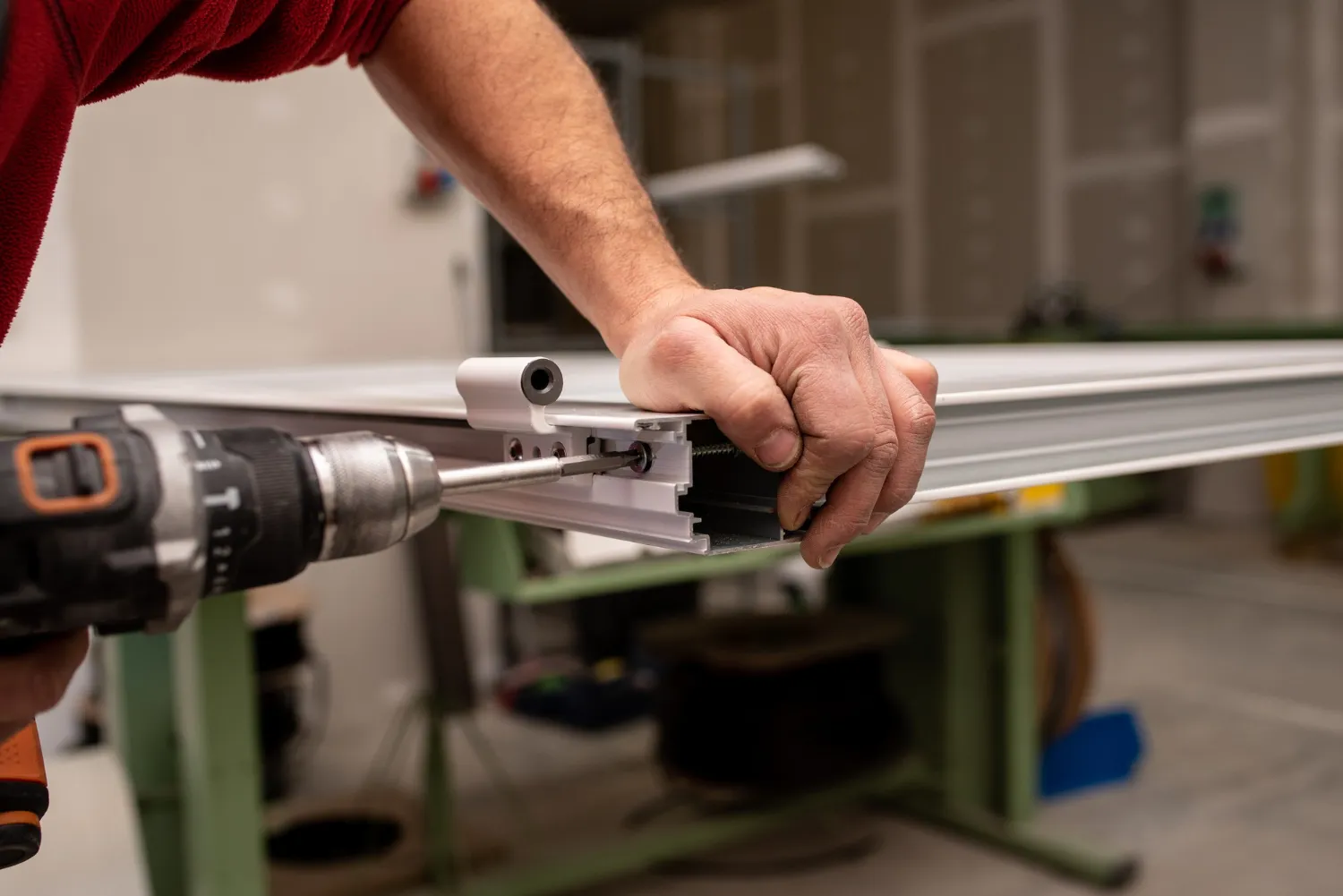
Commercial door replacement is more than swapping panels; it involves coordinated hardware integration. Reinforcements for hinges, locks, closers, and access control devices must match the specific door weight and usage demands.
Professional commercial door services include in-house hardware preparation to ensure:
- Precise hinge locations
- Correct lockset and strike alignment
- Proper closer mounting reinforcement
- Compatibility with existing or upgraded hardware
Accurate prep reduces field modifications, preserves rated performance, and accelerates installation timelines.
Types of Commercial Doors Commonly Replaced
Hollow Metal and Steel Door Systems
Hollow metal and steel doors are among the most frequently replaced commercial door systems in Florida. While durable, these doors can deteriorate over time due to corrosion, impact damage, or repeated heavy use.
Replacing hollow metal assemblies with properly fabricated, reinforced systems restores durability and ensures long-term reliability in industrial, institutional, and high-traffic environments.
Wood Doors for Interior Commercial Spaces
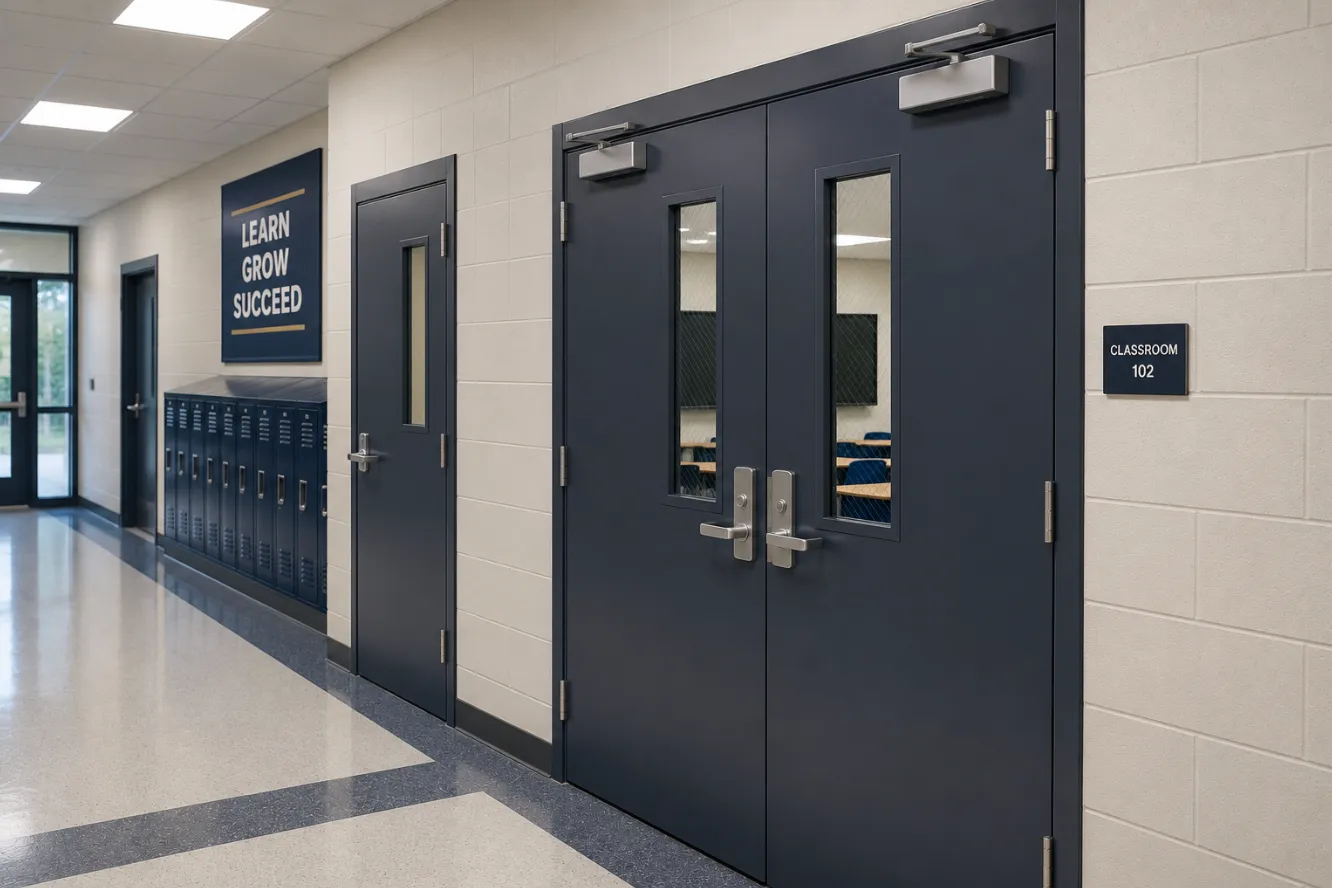
Interior wood doors are often replaced due to wear, finish breakdown, or hardware stress. In offices, schools, and hospitality environments, maintaining both performance and appearance is critical.
Replacement wood commercial door assemblies must still meet commercial-grade core requirements and hardware reinforcement standards to ensure longevity in high-use spaces.
Impact-Rated and Specialty Door Assemblies
Florida projects frequently require replacement of impact-rated or specialty commercial doors following storm damage or failed inspections. These may include exterior doors subject to wind loads or specialty openings requiring specific performance characteristics.
When replacing these assemblies, it is critical to match rating requirements, anchoring methods, and documentation to maintain compliance and inspection readiness.
Avoiding Common Mistakes During Commercial Door Replacement
Mixing Rated and Non-Rated Components
One of the most common errors during commercial door replacement is combining rated and non-rated parts. A fire-rated commercial door installed into a non-rated frame, or paired with incompatible hardware, can void the entire assembly’s approval.
Replacement must treat the door, frame, and hardware as a coordinated system to preserve compliance.
Reusing Damaged Frames or Hardware
Attempting to reuse bent frames, worn hinges, or outdated hardware may appear cost-effective in the short term, but it often leads to operational failure or inspection issues.
If the surrounding frame or hardware shows structural fatigue or alignment issues, full replacement is typically the safer and more durable solution.
Skipping Documentation and Approval Verification
Florida inspections require proper labeling and documentation. Failing to verify ratings, product approvals, or installation specifications can delay occupancy and trigger corrective work.
Professional commercial door services include documentation review to ensure the replacement assembly aligns with all applicable standards before installation begins.
How Mills & Nebraska Supports Commercial Door Replacement Projects
Code-Compliant Fabrication and Product Sourcing
Mills & Nebraska supports commercial door replacement projects by supplying properly fabricated assemblies that meet fire-rated, accessibility, and Florida Building Code requirements.
Their team coordinates material selection, rated components, and compliance documentation to ensure every commercial door is built for inspection success and long-term performance.
In-House Hardware Prep and Frame Compatibility
Accurate hardware preparation is essential for smooth installation. Mills & Nebraska performs in-house prep for hinges, locks, closers, and other commercial door hardware to ensure compatibility and performance.
By coordinating doors and frames together, they reduce alignment issues and eliminate unnecessary field adjustments.
Inspection-Ready Documentation and Contractor Coordination
From submittals to labeling verification, Mills & Nebraska helps contractors prepare for inspection. Their coordinated approach to commercial door services ensures assemblies arrive job-site ready with the documentation required for approval.
This proactive support helps avoid delays and keeps projects on schedule.
Industries That Frequently Require Commercial Door Replacement
Healthcare and Medical Facilities
Healthcare facilities require doors that meet strict fire-rated, accessibility, and durability standards. High-traffic usage and evolving compliance regulations often make replacement necessary to maintain safety.
Education and Government Buildings
Schools and government buildings rely on secure, compliant commercial door systems for life safety and controlled access. Replacement ensures doors continue to function properly under heavy daily use.
Industrial, Warehouse, and Retail Properties
Industrial and retail environments often experience physical wear, impact damage, and high operational demands. Replacing aging commercial doors restores security, efficiency, and code compliance.
Conclusion: Replacing Commercial Doors the Right Way
Commercial door replacement in Florida requires more than a quick swap; it demands coordination, compliance, and performance-focused solutions. From fire-rated assemblies to exterior openings exposed to severe weather, each commercial door must be replaced with precision and proper documentation.
By partnering with experienced professionals, building owners and contractors can ensure their replacement projects meet code, pass inspection, and deliver lasting durability.
Schedule Commercial Door Replacement with Mills & Nebraska
If your building requires reliable, code-compliant commercial door replacement, Mills & Nebraska is ready to help. Their team provides expert commercial door services, including fabrication, hardware prep, coordinated assemblies, and inspection-ready documentation. Whether replacing a single commercial door or upgrading multiple openings, they deliver solutions built for Florida’s demanding conditions.
Contact Mills & Nebraska today to request a quote and ensure your commercial door replacement project is code-compliant, inspection-ready, and built to last.
FAQs
What is commercial door replacement?
Commercial door replacement is the process of removing and installing a new commercial door and, when necessary, replacing the frame and hardware to restore code compliance, safety, and long-term performance. It often includes hardware prep, reinforcement coordination, and inspection-ready documentation.
When should a commercial door be replaced instead of repaired?
A commercial door should be replaced when it fails fire or life-safety inspection, has structural damage, is severely misaligned, shows corrosion or deterioration, or can no longer meet ADA or Florida Building Code requirements. If repairs would compromise rated performance or long-term durability, replacement is typically the safer option.
Do replacement commercial doors need to meet Florida Building Code?
Yes. Any commercial door replacement in Florida must meet applicable Florida Building Code requirements. This may include fire-rated assembly standards, wind-load compliance for exterior openings, and ADA accessibility requirements.
Can fire-rated commercial doors be replaced without replacing the frame?
In some cases, yes, but only if the existing frame is compatible, properly labeled, and in good structural condition. Fire-rated assemblies must remain compliant as a complete system, so the door, frame, and hardware must work together as originally tested.
Does Mills & Nebraska provide full commercial door services for replacement projects?
Yes. Mills & Nebraska provides commercial door services including fabrication, hardware prep, coordinated door and frame assemblies, and inspection-ready documentation. They work with contractors and facility managers to ensure replacement projects meet code and perform reliably.
Products and Services in This Article
- Fire-Rated Doors & FramesFire-rated doors and frames from Mills & Nebraska in Orlando, FL: hollow metal, wood and fiberglass assemblies rated 20 minutes to 3 hours, labeled in house.
- Hollow Metal DoorsSteel doors for heavy-use, fire-rated and hurricane-rated openings.
- Commercial Door InstallationIn-house installation of doors, frames, hardware and Division 10 products.
Need Expert Guidance?
Our technical team is ready to help you navigate specifications, code requirements, and product selection for your project.