


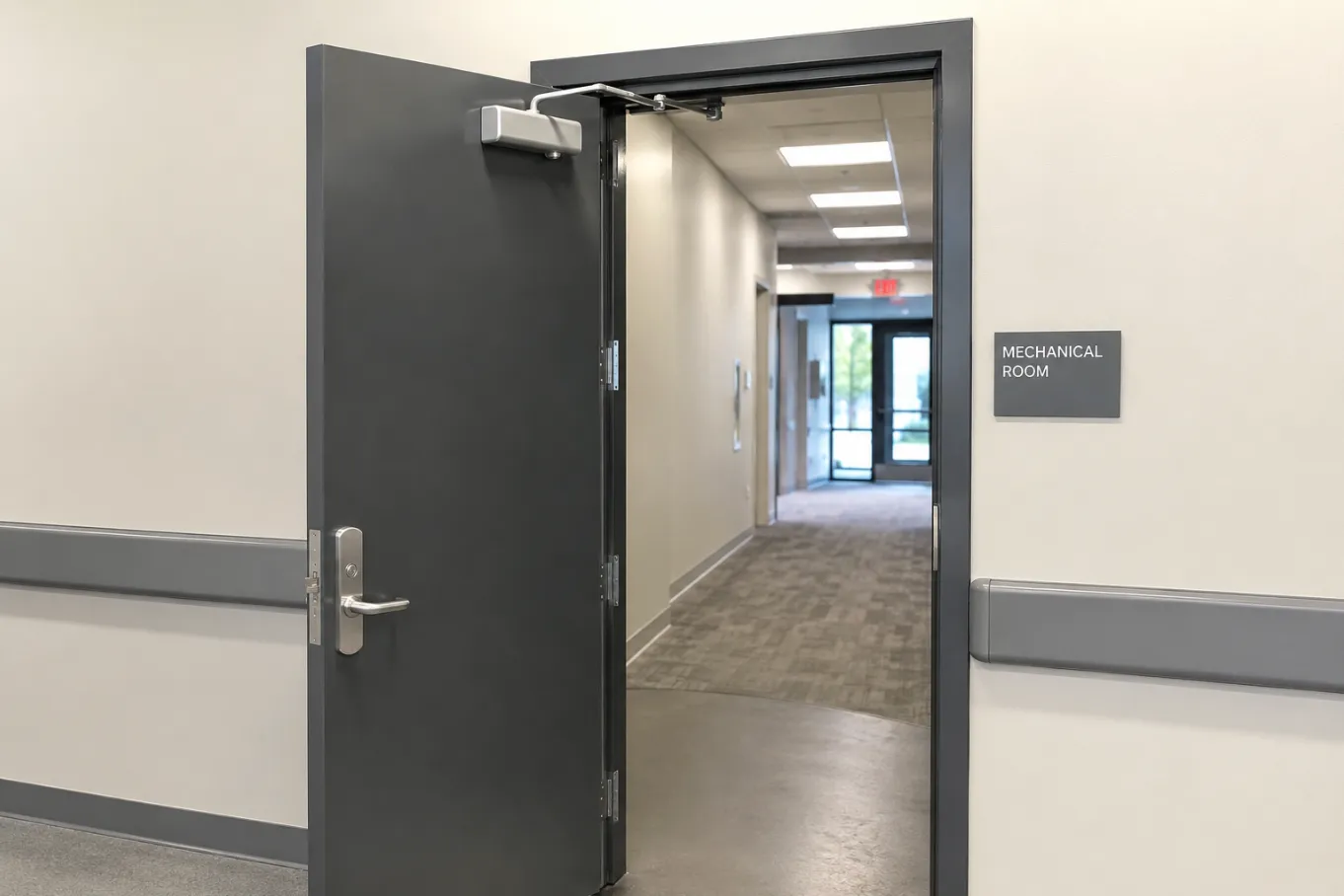
Complete Door and Frame Assemblies for Commercial Buildings

Complete door and frame assemblies are essential components in modern commercial construction, especially in Florida where buildings must meet strict code requirements while standing up to heavy use, humidity, and severe weather conditions. A properly coordinated assembly includes more than just a door slab; it combines the door, frame, reinforcements, and hardware into a fully integrated system designed for long-term performance and compliance.
For contractors, architects, and facility managers, choosing complete door and frame assemblies helps reduce installation problems, simplify inspections, and improve overall building durability. When doors, frames, and hardware are designed to work together, the result is a safer, more reliable opening that performs consistently for years.
Why Complete Door and Frame Assemblies Matter in Commercial Construction
How Coordinated Assemblies Improve Performance and Durability
Commercial openings experience constant stress from daily operation, environmental exposure, and heavy traffic. A coordinated assembly ensures that all components, from hollow metal frames to hinges and locking hardware, work together properly under these conditions.
When doors and frames are supplied separately without proper coordination, problems such as sagging hinges, misaligned locks, or premature hardware wear become far more common. Complete assemblies reduce these risks by ensuring every component is engineered as part of the same system.
This level of coordination improves:
- Long-term durability
- Operational reliability
- Security and life-safety performance
- Resistance to wear and corrosion
For commercial buildings, this translates into fewer repairs and lower long-term maintenance costs.
The Importance of Proper Door, Frame, and Hardware Compatibility
A commercial opening is only as strong as its weakest component. Even a high-quality steel door can fail to perform properly if paired with an incompatible frame or incorrectly prepared hardware.
Proper compatibility ensures that:
- Frames support the weight and operation of the door
- Hinges align correctly with reinforcements
- Locks and latches engage smoothly
- Door closers function without excessive stress
Coordinated assemblies also simplify installation because components arrive ready to work together. This is especially important for fire-rated, impact-rated, or access-controlled openings where performance depends on every part of the system functioning correctly.
Reducing Installation Delays and Jobsite Issues
Improperly coordinated openings often create delays during installation. Frames may not fit wall conditions, hardware prep may be inaccurate, or field modifications may become necessary.
These issues increase labor costs and can jeopardize code compliance. Complete door and frame assemblies minimize these problems by ensuring components are fabricated and prepared before arriving on-site.
Pre-coordinated assemblies help:
- Reduce field modifications
- Improve installation efficiency
- Minimize scheduling delays
- Increase inspection readiness
In fast-paced commercial construction environments, this level of preparation is critical.
What’s Included in a Complete Door and Frame Assembly
Commercial Doors, Hollow Metal Frames, and Reinforcements
A complete assembly typically includes the commercial door, the frame, and all required reinforcements. Hollow metal frames are commonly used because they provide structural durability, fire resistance, and compatibility with a wide range of hardware systems.
Commercial doors may include:
- Hollow metal doors
- Steel doors
- Wood doors
- Fiberglass doors
- Specialty openings for security or acoustics
Reinforcements within the door and frame support hardware such as hinges, closers, panic devices, and access control systems. Without proper reinforcements, heavy-use openings can quickly deteriorate.
Hardware Prep for Hinges, Locks, Closers, and Access Control
Hardware preparation is one of the most important aspects of a complete assembly. Hinges, locks, strikes, and closers must be accurately positioned and reinforced to ensure proper operation.
Factory hardware prep reduces installation errors and improves long-term reliability.
Common hardware components include:
- Hinges and pivots
- Mortise locks
- Cylindrical locks
- Exit devices
- Door closers
- Electric strikes
- Access control hardware
Preparing doors and frames in a controlled fabrication environment ensures precision that is difficult to achieve through field modifications alone.
Fire-Rated, Impact-Rated, and Specialty Assembly Options
Many commercial projects require assemblies with specialized performance characteristics. Fire-rated openings, for example, must include tested and labeled components that function together as a certified assembly.
Other specialized options may include:
- Impact-rated assemblies for hurricane zones (see hurricane-rated doors)
- Acoustic doors for sound control
- Stainless steel assemblies for corrosive environments
- Security-rated openings
- Smoke control systems
These assemblies must be fabricated and installed according to strict specifications to maintain their performance ratings.
Code Requirements for Door and Frame Assemblies in Florida
Fire-Rated Assemblies and UL Labeling
Fire-rated assemblies are required in many commercial buildings to prevent the spread of fire and smoke. These systems must be tested as complete assemblies, including the door, frame, and hardware.
Fire labels from recognized agencies such as UL or Intertek verify that components have been tested and listed to meet specific fire-rating standards. Missing labels, improper modifications, or incompatible hardware can invalidate the rating and lead to failed inspections.
Properly fabricated assemblies ensure:
- Code compliance
- Inspection readiness
- Reliable life-safety performance
Florida Building Code and Wind Load Requirements
Florida’s climate creates unique demands for commercial construction. Exterior openings must often meet wind-load and impact requirements to protect buildings during severe weather.
Door and frame assemblies used in Florida may require:
- Reinforced anchoring systems
- Pressure-rated components
- Impact-resistant glazing
- Corrosion-resistant materials
Selecting assemblies that meet Florida Building Code standards helps maintain structural integrity and long-term performance in demanding conditions.
ADA Accessibility and Life-Safety Compliance
Commercial door assemblies must also meet ADA accessibility standards. Proper clearances, hardware height, and operational force all contribute to compliance.
Life-safety requirements may include:
- Accessible lever hardware
- Proper egress functionality
- Fire and smoke compartmentalization
- Smooth door operation
Addressing these requirements during fabrication helps avoid costly adjustments later in the project.
Common Problems with Improper Door and Frame Assemblies
Mixing Incompatible Doors, Frames, and Hardware
One of the most common mistakes in commercial construction is sourcing components from multiple suppliers without proper coordination. While individual products may appear compatible, small inconsistencies can create operational problems.
Mixing incompatible components may lead to:
- Hardware misalignment
- Frame distortion
- Premature wear
- Failed inspections
Using coordinated assemblies eliminates these issues by ensuring all parts are designed to function together.
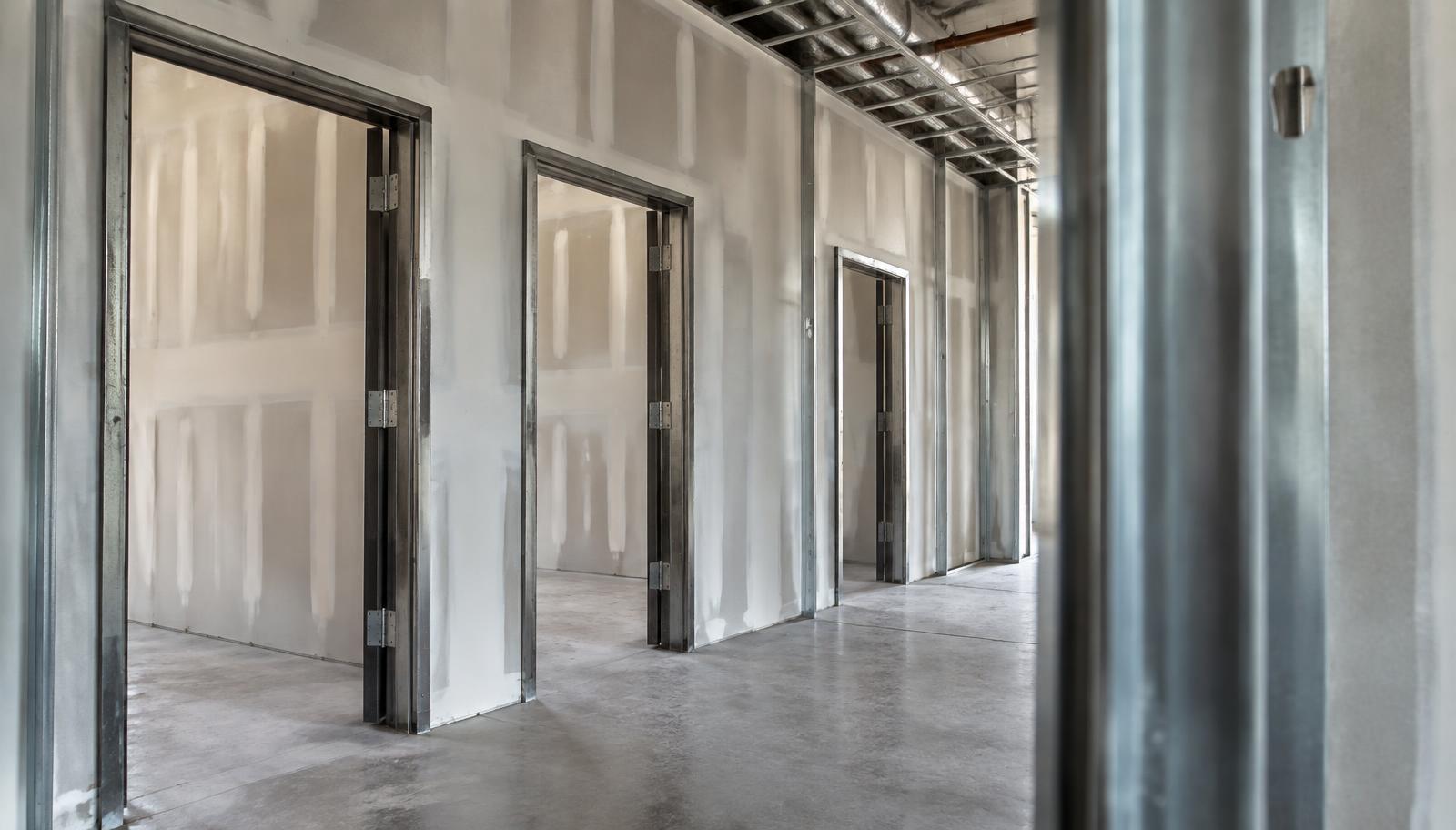
Incorrect Frame Sizing and Wall Conditions
Frames must match actual wall conditions and opening dimensions precisely. Incorrect sizing can result in uneven gaps, operational issues, and installation delays.
Commercial wall conditions vary widely depending on:
- Masonry construction
- Drywall assemblies
- Structural steel framing
- Concrete openings
Proper field measurements and fabrication coordination are essential to ensure the assembly fits correctly.
Missing Documentation and Inspection Failures
Documentation is critical for commercial projects, especially in Florida where inspections are rigorous. Missing product approvals, incomplete submittals, or absent fire labels can delay occupancy and require corrective work.
Complete assemblies should include:
- Fire labels (UL or Intertek)
- Product approvals
- Hardware schedules
- Compliance documentation
This ensures inspectors can verify performance requirements quickly and efficiently.
How Mills & Nebraska Delivers Complete Door and Frame Assemblies
In-House Fabrication and Hardware Preparation
Mills & Nebraska provides in-house fabrication and hardware preparation to ensure precision across every project. Doors and frames are fabricated to exact specifications and prepped for the required hardware systems before delivery.
This process helps:
- Reduce field errors
- Improve installation efficiency
- Ensure long-term performance
By handling fabrication internally, Mills & Nebraska maintains tighter quality control and greater consistency.
Coordinated Door, Frame, and Hardware Packages
Rather than supplying separate components, Mills & Nebraska delivers complete assemblies that include doors, frames, reinforcements, and hardware packages.
This coordinated approach simplifies construction by ensuring:
- Component compatibility
- Faster installation
- Reduced jobsite issues
- Improved code compliance
Whether the project involves standard hollow metal doors or specialized impact-rated assemblies, coordinated systems help contractors avoid unnecessary complications.
Reliable Supply and Contractor-Focused Support
Commercial construction schedules depend on reliable coordination and communication. Mills & Nebraska supports contractors with responsive service and detailed project coordination.
Our contractor-focused support helps ensure assemblies arrive:
- Correctly fabricated
- Properly labeled
- Ready for installation
- Prepared for inspection
This level of support is especially valuable on large or fast-paced commercial projects.
Conclusion: Complete Assemblies Built for Performance and Compliance
Complete door and frame assemblies are critical to the safety, durability, and long-term performance of commercial buildings. Coordinating doors, frames, and hardware as a complete system reduces installation issues, improves code compliance, and supports reliable operation throughout the life of the building.
In Florida’s demanding construction environment, properly fabricated and prepped assemblies help contractors avoid costly delays while ensuring openings perform exactly as intended.
Get Complete Door and Frame Assemblies from Mills & Nebraska
If your project requires reliable, code-compliant door and frame assemblies, Mills & Nebraska is ready to help. Our team provides coordinated systems designed for efficient installation, inspection readiness, and long-term performance.
From hollow metal frames and fire-rated doors to complete hardware preparation and specialty assemblies, Mills & Nebraska delivers solutions built for the demands of commercial construction.
Contact Mills & Nebraska today to request a quote and discuss your next commercial project.
FAQs
What is a complete door and frame assembly?
A complete door and frame assembly includes the door, frame, reinforcements, and hardware designed to function together as a coordinated commercial opening system.
Why are coordinated door assemblies important?
Coordinated assemblies improve compatibility, reduce installation issues, and help ensure long-term performance and code compliance.
Do door and frame assemblies need to meet Florida Building Code?
Yes. Commercial assemblies in Florida must comply with building code requirements for fire ratings, wind loads, accessibility, and life safety.
What types of doors are included in commercial assemblies?
Assemblies may include hollow metal doors, steel doors, wood doors, fiberglass doors, fire-rated openings, and impact-rated systems.
Does Mills & Nebraska provide hardware prep with assemblies?
Yes. Mills & Nebraska provides in-house hardware preparation for hinges, locks, closers, access control systems, and other commercial hardware components.
Products and Services in This Article
- Fire-Rated Doors & FramesFire-rated doors and frames from Mills & Nebraska in Orlando, FL: hollow metal, wood and fiberglass assemblies rated 20 minutes to 3 hours, labeled in house.
- Standard Welded FramesFactory-welded frames fabricated in Orlando for new construction.
- Knock-Down FramesFrames that ship in pieces and assemble on site for renovations.
- Hollow Metal DoorsSteel doors for heavy-use, fire-rated and hurricane-rated openings.
Need Expert Guidance?
Our technical team is ready to help you navigate specifications, code requirements, and product selection for your project.