.jpg)
.png)




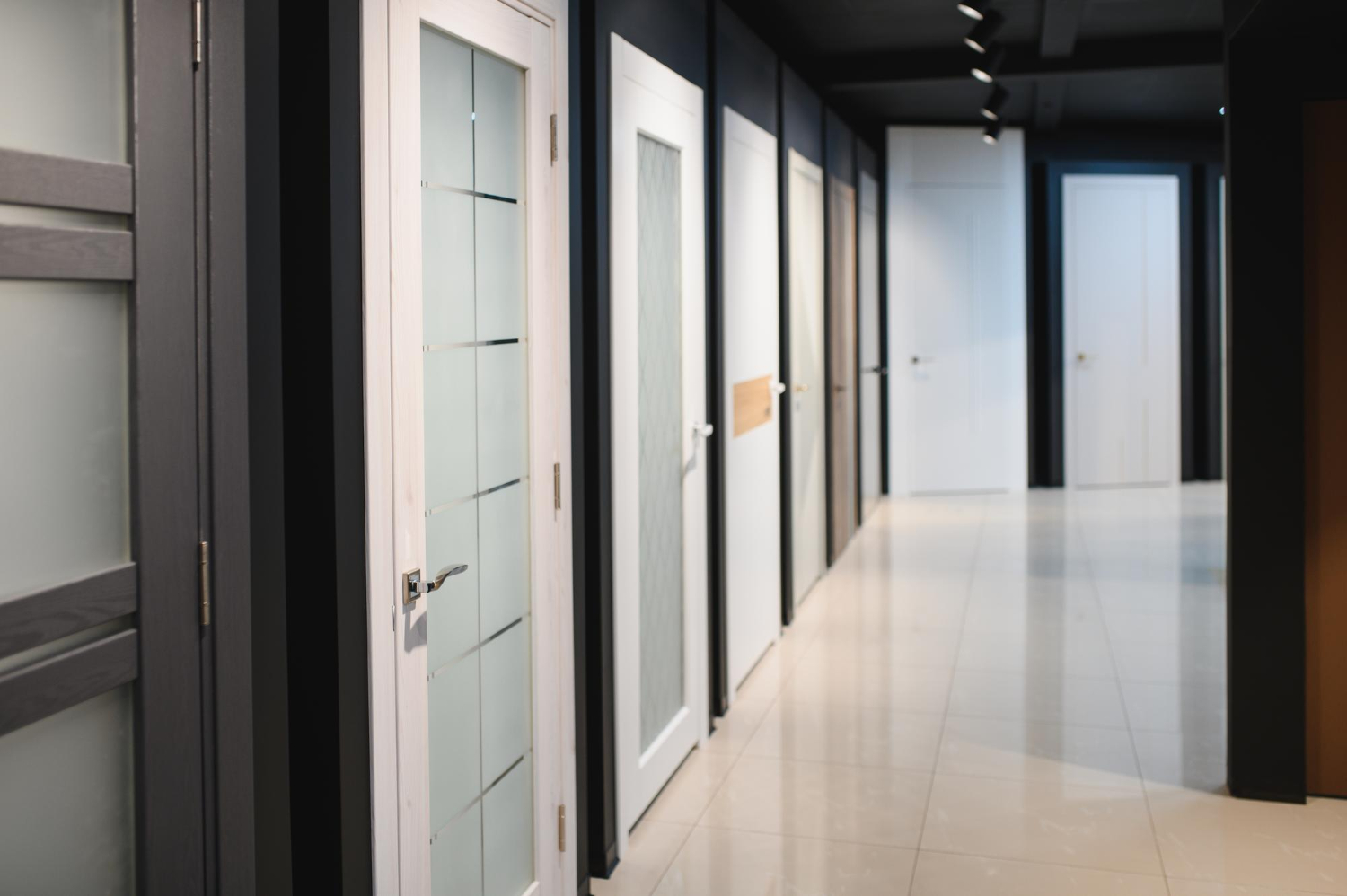
Specialty doors are a critical part of modern commercial construction, especially in regions like Florida where safety, performance, and code compliance are non-negotiable. More than just upgraded versions of standard doors, specialty doors are engineered to solve specific problems—sound, fire, impact, hygiene, or security—while still integrating with your overall commercial design and construction plan.
What Are Specialty Doors and Why They Matter in Commercial Construction
How Specialty Doors Differ from Standard Commercial Doors
Standard commercial doors—like typical hollow metal or basic wood doors—are built for everyday use. Specialty doors, on the other hand, are purpose-built systems designed around performance criteria such as fire protection, sound reduction, impact resistance, or heightened security.
These assemblies often combine steel or stainless steel construction, specialized cores, and precise hardware prep to meet specific ratings and certifications. They’re not just “nicer” doors—they’re engineered components in a life-safety and performance system.
Performance, Safety, and Compliance as Core Design Drivers
With specialty doors, performance is the starting point, not an afterthought. Common goals include:
- Meeting fire and smoke separation requirements between corridors and rooms
- Controlling noise transfer between a conference room, classroom, or exam area and adjacent spaces
- Providing stronger security at sensitive locations like IT rooms, pharmacies, or financial offices
- Resisting corrosion in harsh environments such as labs, kitchens, or coastal facilities
Because these doors are part of the building’s life-safety and code strategy, they must be correctly specified, labeled, and installed to perform as intended.
Where Specialty Doors Are Most Commonly Used
You’ll find specialty doors throughout commercial facilities, especially in:
- Healthcare and medical facilities
- Schools, universities, and government buildings
- Industrial, warehouse, and manufacturing environments
- Office, retail, and hospitality spaces needing acoustic, security, or hygienic performance
Whether it’s an impact-rated steel door at an exterior opening or an acoustic assembly on a boardroom, these doors quietly do critical work behind the scenes.
Types of Specialty Doors Used in Commercial Facilities
Acoustic and Sound-Rated Doors
Acoustic doors are designed to limit sound transfer between spaces. They’re commonly used for:
- Conference rooms and executive offices
- Classrooms, lecture halls, and music rooms
- Healthcare consultation rooms and testing spaces
These doors typically use specialized cores, seals, and hardware to achieve a specific STC (Sound Transmission Class) rating and can be built from wood or metal with appropriate gasketing and frames.
Fire-Rated and Smoke Control Doors
Fire-rated doors are essential for stairwells, corridors, utility areas, and tenant separations. They’re tested and labeled to hold back fire and smoke for a specified time (20, 45, 60, 90 minutes, etc.).
Mills & Nebraska supplies fire-rated assemblies—door, frame, and hardware—built to UL standards so they can be installed as inspection-ready life-safety components.
Impact-Rated and Hurricane-Resistant Doors
In Florida, exterior openings must often meet impact and wind-load standards. Impact-rated specialty doors use reinforced metal construction, heavy-duty frames, and approved glazing to withstand wind-borne debris and high pressures.
These doors are a must for:
- Exterior doors on commercial buildings in coastal or high-exposure zones
- Loading and service areas on storm-prone sites
- Openings required to maintain the building envelope during hurricanes
Stainless Steel and Hygienic Doors
In hospitals, labs, food processing, and other clean environments, stainless steel doors and frames are preferred for their corrosion resistance and ease of cleaning. They are ideal where moisture, chemicals, or frequent washdowns are present.
These specialty doors provide:
- Smooth, sanitizable surfaces
- Resistance to rust and chemical attack
- Long service life in demanding environments
Security and Ballistic-Rated Doors
For high-security areas—like financial spaces, sensitive records rooms, or government facilities—security doors are built to resist forced entry and, in some cases, ballistic threats.
These assemblies may include:
- Reinforced steel cores
- Security hinges and hardware
- Limited-lite or no-lite glass openings
- Integration with access control and monitoring systems
Some projects may also incorporate specialty systems like accordion partitions or barn-inspired sliding panels in select interior locations, but these must always be evaluated against egress, fire, and accessibility requirements before being used in a commercial setting.
Key Codes and Compliance Requirements for Specialty Doors
Fire Ratings and UL Certification
Most specialty door types intersect with fire and smoke separation requirements. That means:
- Doors, frames, and hardware must be tested together as an assembly
- UL or other recognized labels must remain visible and intact
- Clearances, hardware, and installation methods must follow the listing
Mills & Nebraska provides labeled specialty door assemblies that align with Florida Building Code and national life-safety standards, helping you pass inspections the first time.
ADA Accessibility Standards
Even high-performance specialty doors must remain accessible. ADA considerations include:
- Clear opening width and maneuvering space
- Lever or push/pull hardware that doesn’t require tight grasping or twisting
- Reasonable opening force and smooth operation
Properly specified and installed specialty doors can meet both performance and accessibility requirements, rather than forcing a trade-off.
Florida Building Code and Hurricane Impact Compliance
In Florida, specialty exterior doors must be evaluated not just for fire and accessibility, but also for:
- Wind-load and impact ratings (where required)
- Approved product listings for designated wind-borne debris regions
- Proper anchoring and framing to maintain tested performance
Mills & Nebraska helps ensure that specialty doors used in exterior or partially exposed locations are selected and installed with these standards in mind.
Performance Challenges Specialty Doors Are Built to Solve
Noise Control and Sound Isolation
In offices, schools, and healthcare settings, excessive noise can disrupt work, learning, and healing. Acoustic specialty doors help solve:
- Sound bleed between a meeting room and open office
- Noise transfer from corridors into private spaces
- Distraction in classrooms or testing areas
By choosing sound-rated doors and matching frames and seals, contractors can deliver noticeably quieter interior environments.
Corrosion Resistance and Moisture Protection
In certain rooms and zones, moisture and chemicals are ongoing threats. Specialty stainless steel assemblies or factory-finished hollow metal doors protect against:
- Rust in coastal or high-humidity areas
- Deterioration from cleaning agents or process chemicals
- Long-term structural damage at critical openings
These doors are a smart choice anywhere durability and hygiene are top priorities.
Forced Entry, Security, and Controlled Access
Security-focused specialty doors combine robust construction with modern access control. They’re commonly used at:
- Main commercial entries
- Sensitive interior rooms (IT, records, finance)
- Back-of-house and receiving areas
Mills & Nebraska provides specialty doors that work with heavy-duty locks, closer systems, and access control hardware to protect what matters most.
The Fabrication and Installation Process for Specialty Doors
Custom Sizing and Material Selection
Specialty doors often require non-standard sizes or materials to meet performance and design goals. Mills & Nebraska works with contractors and design teams to select:
- Appropriate steel, stainless, or wood construction
- Proper cores (acoustic, fire-resistant, impact-rated, etc.)
- Compatible frames for masonry, drywall, or structural openings
Custom sizing ensures that each specialty door fits the opening, supports ratings, and maintains a clean architectural look.
Precision Hardware Prep and Access Control Integration
Hardware is where performance and user experience meet the door. Mills & Nebraska provides in-house prep for:
- Hinges and pivots
- Locks, exit devices, and closers
- Access control components (readers, strikes, electrified hardware)
By performing hardware prep at the shop, they help ensure smoother installation and fewer issues in the field.
Inspection-Ready Installation and Documentation
Specialty doors must be installed exactly as tested. Mills & Nebraska supports contractors with:
- Labeled assemblies ready for inspection
- Documentation for fire, impact, or acoustic ratings
- Guidance on installation best practices and field verification
That means fewer surprises during inspections and a higher confidence level that each opening performs as intended.
Why Contractors Choose Mills & Nebraska for Specialty Doors
Local Inventory and Fast Turnaround Across Florida
Mills & Nebraska maintains robust inventory and supplier relationships, allowing them to respond quickly to project demands throughout Central Florida. That’s especially important when specialty doors are on a critical path for inspection or occupancy.
In-House Fabrication and Code-Compliant Labeling
With in-house capabilities, Mills & Nebraska can:
- Customize sizes and configurations
- Prep frames and doors for specific hardware sets
- Provide code-compliant labels and documentation
This combination of fabrication and compliance support makes them a go-to partner for complex openings.
Expert Field Support and Contractor Coordination
From submittals and takeoffs to job-site coordination, Mills & Nebraska works alongside contractors, architects, and facility teams to keep projects moving. Their experience with specialty doors helps avoid common pitfalls and keeps installations aligned with design intent and code.
Industries That Rely on Specialty Door Systems
Healthcare and Medical Facilities
Hospitals and clinics rely on specialty doors for:
- Infection control (stainless steel and hygienic assemblies)
- Privacy and sound control in patient areas
- Fire and smoke compartmentalization
Education and Government Buildings
Schools and municipal buildings use specialty doors to:
- Protect egress paths with fire-rated assemblies
- Control noise in classrooms and auditoriums
- Improve security in administrative and records areas
Industrial and Manufacturing Facilities
In industrial settings, specialty doors are essential at:
- Process rooms with moisture or chemical exposure
- High-security control rooms and equipment spaces
- Exterior openings exposed to impact or heavy equipment traffic
Retail, Office, and Hospitality Spaces
Specialty doors help these spaces:
- Achieve higher acoustic comfort in meeting rooms and guest areas
- Maintain security at back-of-house and service corridors
- Pair performance with architectural aesthetics where visible doors support the brand experience
Conclusion: Specialty Doors Built for Demanding Environments
Specialty doors aren’t “extras”—they’re critical components that protect people, property, and performance in demanding commercial environments. When specified and installed correctly, they deliver sound control, fire protection, impact resistance, hygiene, and security in one fully integrated assembly.
By partnering with a knowledgeable supplier like Mills & Nebraska, Florida contractors gain access to specialty door solutions that are engineered, labeled, and delivered to meet the real-world challenges of modern commercial construction.
Upgrade Your Project with Specialty Doors from Mills & Nebraska
Whether you’re working on a healthcare build, school renovation, industrial expansion, or high-end office or hospitality space, Mills & Nebraska provides specialty doors and frames that are ready for inspection and built to last.
From design review to field coordination, they’re your trusted partner for high-performance specialty door systems across Florida.
Contact Mills & Nebraska today to request a quote or schedule a consultation.
FAQs (Frequently Asked Questions)
What are specialty doors in commercial construction?
Specialty doors are commercial doors engineered for specific performance needs such as sound control, fire protection, security, hygiene, or hurricane impact resistance. These include acoustic doors, fire-rated doors, stainless steel doors, ballistic-rated doors, and more.
Are specialty doors required to meet building codes?
Yes. Specialty doors must meet strict code requirements including fire ratings, ADA accessibility, and Florida Building Code hurricane and impact standards. Mills & Nebraska ensures all specialty doors are fabricated and labeled for compliance.
Can specialty doors be customized for unique projects?
Absolutely. Mills & Nebraska provides custom fabrication for specialty doors including unique sizes, materials like steel, stainless steel, glass, and wood, and prep for access control and security hardware.
What industries typically require specialty doors?
Specialty doors are commonly used in healthcare, education, government, industrial manufacturing, laboratories, data centers, retail, and hospitality applications.
Does Mills & Nebraska install specialty doors as well as fabricate them?
Yes. Mills & Nebraska provides full-service support including in-house fabrication, hardware prep, code documentation, delivery, and coordination with contractors for job-site installation.